The Rise and Complexity of 1:1 Replica Designer Bags: A Personal Insight

As someone deeply immersed in the fashion and luxury goods industry, alexa bag mulberry replica I’ve witnessed a growing trend: bao bao zeal replica bags reviews bag the demand gucci sylvie flame bag zeal replica bags reviews for 1:1 replica designer bags. These near-perfect copies of iconic handbags, such as the Hermès Birkin or Louis Vuitton Speedy, have sparked debates about authenticity, ethics, and consumer behavior. While some view them as a cost-effective alternative to luxury, others dismiss them as unethical imitations. In this blog post, I’ll explore the world of 1:1 replicas, their appeal, and the controversies they stir, supported by data, expert opinions, and frequent questions asked by consumers.
What Are 1:1 Replica Designer Bags?
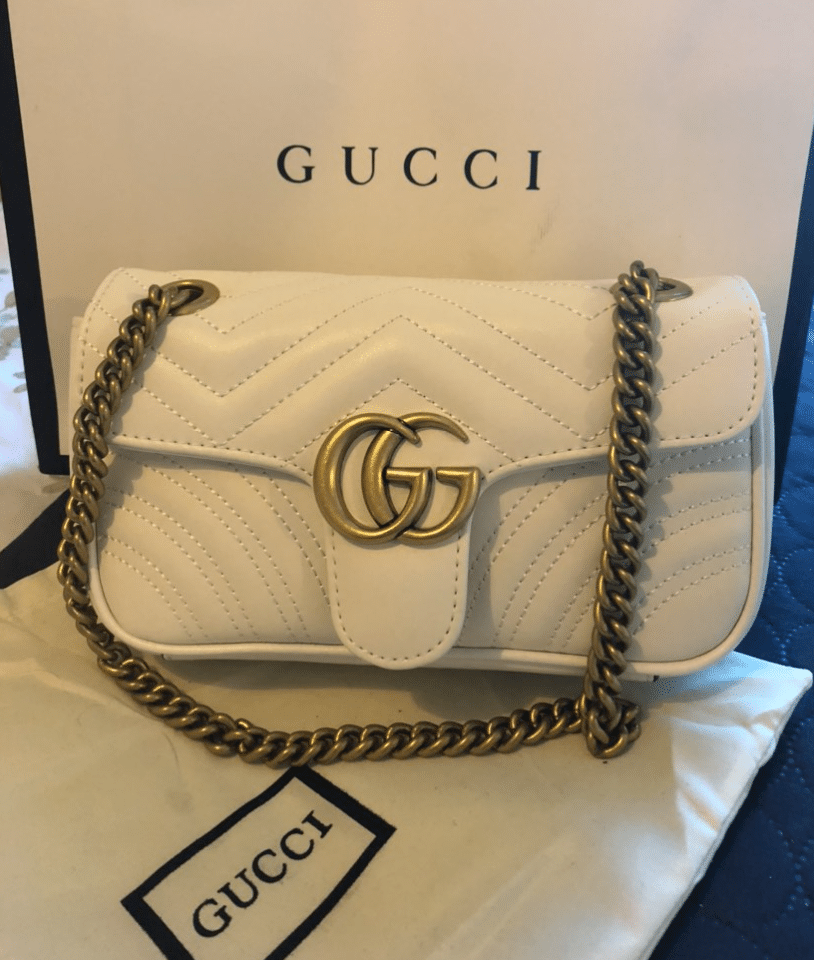
A 1:1 replica refers to a counterfeit product that mirrors the original designer item so closely—in design, materials, and branding—that even trained eyes struggle to differentiate. These replicas are often produced using advanced techniques and high-quality materials, louis vuitton gift bag replica such as pebbled leather or monogrammed canvases, to imitate the original to the last detail.
In my experience, the allure lies in the illusion of exclusivity: wholesale replica mk bags for a fraction of the price of a genuine Birkin, which can cost tens of thousands of dollars, buyers gain access to a visually identical product. However, the line between craftsmanship and counterfeiting is razor-thin, and zeal replica bags reviews the implications are profound.
Why Do People Choose 1:1 Replicas?
The decision to purchase a replica is rarely straightforward. Here are some key motivations:
Cost-Effectiveness: Genuine designer bags are often priced beyond the reach of average consumers. A replica can cost 10% to 30% of the original.
Fashion Experimentation: For those who want to try a luxury brand’s aesthetics without a lifelong financial commitment.
Gift-Giving: Replicas may be marketed as “inspired by” gifts, though this is a legally contentious gray area.
Access: In markets where genuine bags are scarce or overpriced, replicas fill the gap.
That said, ethical concerns loom large. As fashion lawyer Sarah Lin notes, “Replicas undermine the intellectual property of designers and incentivize a shadow economy that often exploits laborers in unsafe conditions.”
A Comparative Analysis: Genuine vs. 1:1 Replicas
Aspect Genuine Designer prada inside bag replica 1:1 Replica
Materials Premium leather, custom tools High-quality faux or inferior leather
Durability Built to last 10+ years Variable (2–5 years)
Brand Value Investment, resale potential No intrinsic value
Pricing $2,000–$10,000+ $200–$1,500
Authenticity Verified by serial codes, documentation No official validation
While the quality of replicas has improved, white ysl bag replica genuine bags offer long-term value. As a certified appraiser, Michael Tan, explains, “The craftsmanship of luxury brands is irreplaceable. Replicas may mimic the look, but they can’t replicate the legacy.”
The Materials Behind 1:1 Replicas
Replica makers often boast about using “genuine leather” or “authentic hardware,” but the reality is nuanced. Below is a breakdown of common materials used:
Material Replica Version Genuine Brand Version
Leather VEGAN leather, split-grain leather Full-grain Italian calfskin
Hardware Zinc alloy with rhodium plating Brass with 18k gold plating
Lining PVC or polyester Alcantara or branded jacquard
Stitching Machine-stitched (often visible) Hand-stitched (perfectly hidden)
From my analysis, the materials in replicas are functional but lack the durability and artistry of high-end fashion houses.
Ethical and Legal Considerations
The production of 1:1 replicas raises critical questions:
Legal Risks: In many countries, selling counterfeits violates trademark laws. The U.S. alone seizes millions of dollars’ worth of fake goods annually.
Ethical Dilemmas: Replicas devalue the creative work of artisans and designers. As ethical advocate Clara Bennett argues, “Supporting counterfeits perpetuates a cycle that harms both workers and innovation.”
Consumer Responsibility: Purchasing replicas, even unintentionally, fuels demand for black-market goods.
FAQs About 1:1 Replica Designer Bags
- Are replica bags legal?
Replicas often infringe on intellectual property rights, especially when they copy logos, cheap hermes bag replica patterns, purse dupes or branding. However, laws vary by country. In the EU, for example, replicas can be sold if they’re not marketed as genuine.
- How can I tell a replica from the real thing?
Look for:
Subtle stitching inconsistencies.
Weight differences (genuine bags often feel sturdier).
Faded or misaligned logos.
Lack of authenticity cards/ serial numbers.
- Do replicas ever hold value?
Most replicas depreciate the moment they’re bought, while genuine items often appreciate.
- Can replicas damage my reputation?
Possibly. In professional or high-fashion circles, owning a counterfeit can reflect poorly without proper discretion.
- Are there ethical alternatives to replicas?
Yes! Consider:
Vintage designer bags (authentic and sustainable).
Luxury brand collaborations with artists.
Affordable mini versions of iconic designs.
Final Thoughts
The 1:1 replica market is a double-edged sword. While it democratizes access to luxury aesthetics, it also challenges the integrity of the fashion industry. From my perspective, replica lv bag consumers must weigh the short-term savings against the long-term consequences for artisans, hermes birkin bag replica china brands, and themselves. Transparency, education, and ethical awareness are key to navigating this complex landscape.
If you’re curious about owning a designer piece, ysl roady bag replica I encourage you to explore sustainable or vintage options that align with your values. After all, true luxury lies in mindful choices.
Have you ever owned or considered a 1:1 replica? Share your thoughts in the comments below.