Hey there, fellow bag enthusiast! I’m Jenna, look alike handbags and if you’ve ever spent an hour scrolling through Instagram only to wonder, “Is that really a Louis Vuitton?” you’re not alone. The world of luxury handbags is dazzling, but it’s also riddled with copycats. There’s one term that keeps popping up in forums, Etsy listings, and even on the shelves of street‑market stalls: “Faux.”
In this post I’ll walk you through exactly what “Faux” means, why it matters, how to tell a genuine piece from a faux one, and what to do if you end up with a bag that’s not what it claims to be. Grab a cup of coffee, settle in, and let’s demystify the “F” word together.
- What Does “Faux” Actually Mean?
Faux is the French word for false or fake, and in the fashion world it’s become the polite (and sometimes legally safer) way to label a replica. Rather than calling a bag a “counterfeit,” which can have legal ramifications, sellers will list it as a Faux Chanel, Faux Hermès, or Faux YSL.
Faux = Imitation – The design mimics a high‑end brand, but the materials, construction, and branding are not authentic.
Faux ≠ “Real Deal” – Even though the look may be convincing, a faux bag will never have the same resale value, durability, or brand heritage as the original.
“Faux is the fashion industry’s euphemism for ‘we’re selling a look, not a legacy.’” – Mia Torres, Luxury Market Analyst, The Couture Chronicle
- Why the “F” Term Is So Popular
Legal Shield – By avoiding the word “counterfeit,” sellers reduce the risk of trademark infringement lawsuits.
Search Engine Magic – Shoppers searching for “faux designer bag” are often looking for a lower‑price alternative, and the term helps retailers appear in those searches.
Consumer Clarity – For many buyers, “faux” signals “I want the style without the price tag,” which is exactly what they’re after.
- Real vs. Faux: A Quick‑Glance Comparison
Feature Real Designer Bag Faux Designer Bag
Materials Premium leather, exotic skins, hardware (e.g., gold‑tone, palladium) PU leather, coated canvas, cheaper metal alloys
Stitching Hand‑stitched or precision‑machine stitched, uniform tension Inconsistent stitching, loose threads, visible gaps
Brand Markings Exact logos, serial numbers, authenticity cards Misspelled logos, incorrect font, best replica bags on amazon absence of cards
Price (USD) $1,500 – $25,000+ (depending on brand & rarity) $30 – $300 (majority)
Resale Value Holds 40‑80% of original price after 1 year Near zero; rarely resold as “designer”
Warranty Manufacturer’s warranty & repair services No warranty; limited or no after‑sales support
(Numbers are approximate and can vary by model.)
- My Personal Faux‑Find: The Story Behind the “F” Bag
A few months ago I spotted a Faux Balenciaga “City” tote while scrolling through a marketplace app. The photo showed the classic “B” logo embossed on a sleek matte black exterior. My heart raced—could this be the real thing for a fraction of the price?
I went through the checklist below (more details later) and discovered:
The logo was slightly off‑center.
The hardware felt light and made a “tinny” sound.
The stitching was uneven on the interior.
I resisted the urge to buy, saved the money, and later invested in a real vintage Coach bag that has already become a staple in my wardrobe. The lesson? Even the most convincing faux pieces can be spotted with a few simple tests.
- How to Spot a Faux Bag (Step‑by‑Step Checklist)
Examine the Logo – Authentic logos are perfectly proportioned, crisp, and often raised.
Feel the Material – Real leather develops a patina; faux leather stays uniformly smooth.
Check the Stitching – Count the stitches per inch; most luxury houses have a specific count.
Inspect the Hardware – Real pieces are heavier, have a distinct sound, dolce and gabbana bags replica often feature brand‑specific engravings.
Search for gucci duffle bags replica Serial Numbers – Many brands embed a serial number inside the bag; the format must match official records.
Ask for Authenticity Documents – Dust bags, authenticity cards, and original receipts are strong indicators.
Compare Prices – If a deal seems too good to be true, it probably is.
- The “Faux” Market Landscape: Where to Find (and Avoid) Them
Platform Typical Offerings Red Flags
E‑commerce marketplaces (e.g., eBay, Amazon) Wide range of “faux” bags, sometimes mixed with genuine listings Sellers with low feedback, vague photos, grade aaa replica designer bags no return policy
Social media marketplaces (Instagram, Facebook groups) Trendy replicas, often custom‑made Direct messages only, cash‑only payment, no authentication
Street markets & flea markets Quick‑turnover “designer‑look” bags Lack of brand tags, counterfeit‑scented packaging
Specialized faux‑bag boutiques Curated collections with quality faux leather Prices higher than typical “cheap” fakes, but still well below authentic cost
“The faux market is a growing ecosystem, and savvy buyers can find high‑quality imitation pieces—just not at the level of a true designer.” – Luis Patel, Founder of Bag‑Boutique Review
- Should You Buy a Faux Bag? Pros & Cons
Pros
Budget‑Friendly – Get the look without the $5,000 price tag.
Trend Flexibility – Switch styles seasonally without worrying about investment loss.
Ethical Considerations – Some consumers prefer faux leather over animal‑derived materials.
Cons
Shorter Lifespan – PU leather can crack or peel after a few seasons.
Zero Resale Value – You can’t recoup money if you decide to upgrade.
Brand Reputation – Owning a fake may feel like a compromise for true brand lovers.
- FAQs: All Your “F” Questions Answered
Q1: Is “faux” the same as “counterfeit”?
No. “Faux” is a descriptive term meaning “imitation,” while “counterfeit” specifically refers to illegal copies that infringe on trademark laws.
Q2: Can a faux bag be high‑quality?
Yes. Some manufacturers specialize in premium faux leather that looks and feels impressive, though it still won’t match the durability of genuine leather.
Q3: Do I need to declare a faux bag when traveling?
Generally, no. Since it’s not a genuine luxury item, customs won’t flag it. However, always be honest if asked.
Q4: How can I clean a faux leather bag?
Use a mild soap‑water solution, a soft cloth, and avoid harsh chemicals. Let it air‑dry away from direct heat.
Q5: Are there any legal risks buying faux bags?
Purchasing a faux bag for personal use is legal. The risk lies with sellers who market them as authentic—this can be considered fraud.
- Quick‑Reference List: Must‑Know “F” Terms in the Bag World
Faux – Imitation, not authentic.
Faux‑Leather – Synthetic leather (PU, PVC).
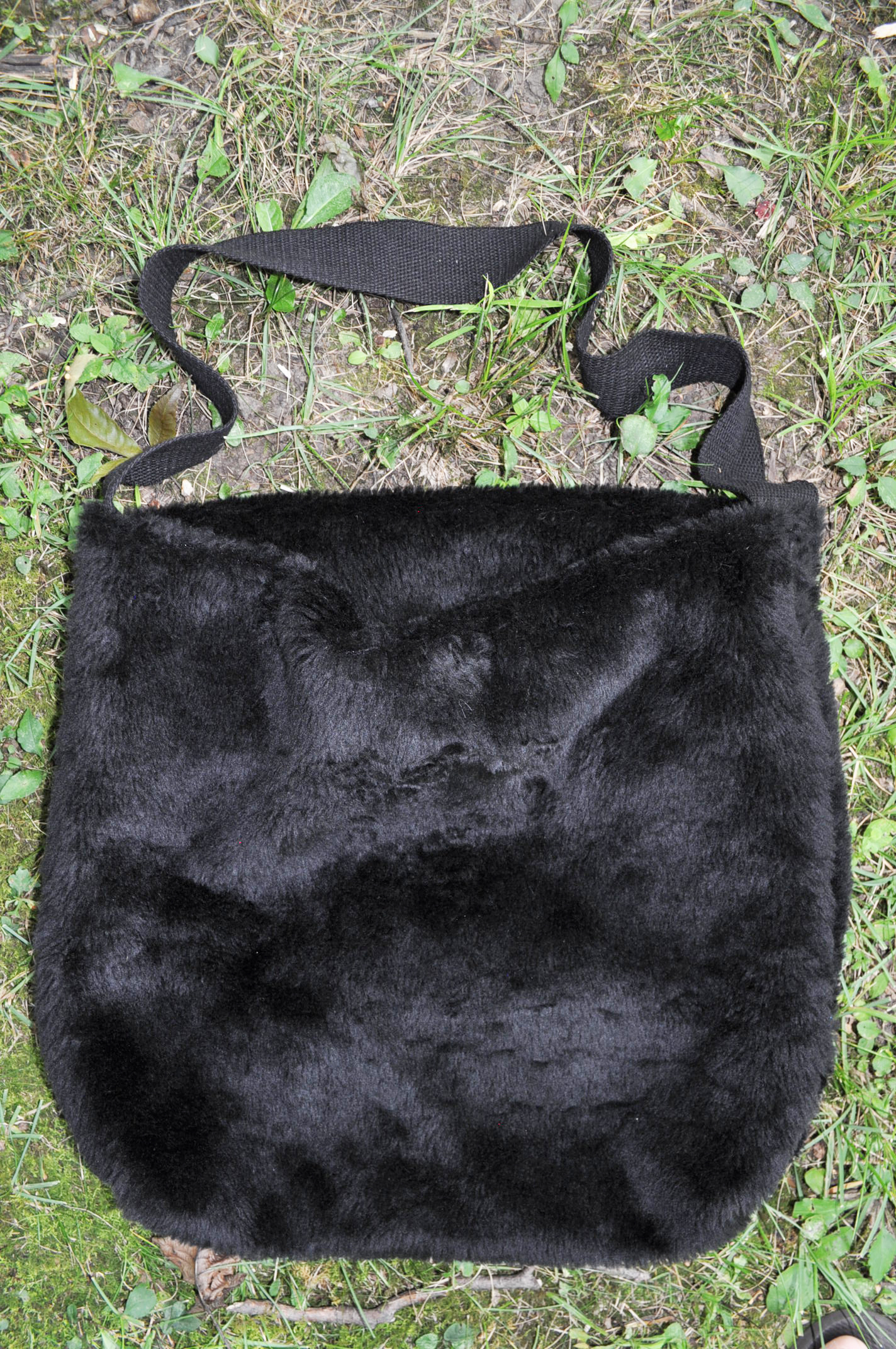
Faux‑Fur – Synthetic fur trims.
Faux‑Brand – Any copy of a designer label (e.g., Faux Gucci).
Faux‑Edition – A deliberate, non‑official version made for style, not deception (think “inspired by”).
- My Final Takeaway
If you love the aesthetic of luxury handbags but need to keep your budget in check, faux bags can be a fun, zeal replica bags reviews prada shoulder bag guilt‑free way to experiment with trends. Just remember that the “F” word is a signal: you’re looking at an imitation. Use the checklist, stay skeptical of unbelievably low prices, and always ask for documentation.
When you finally decide to treat yourself to a genuine piece, mulberry oversized alexa bag zeal replica bags reviews you’ll appreciate the craftsmanship even more—knowing exactly why you chose the real deal. In the meantime, I’ll keep hunting for that perfect faux tote that matches my style and my salary.

Happy bag hunting, and may your accessories always bring you joy, whether they’re faux or truly fabulous!
If you enjoyed this post, feel free to drop a comment below with your own faux‑bag hunting stories. I love hearing about the clever ways fellow fashion fans spot the difference.