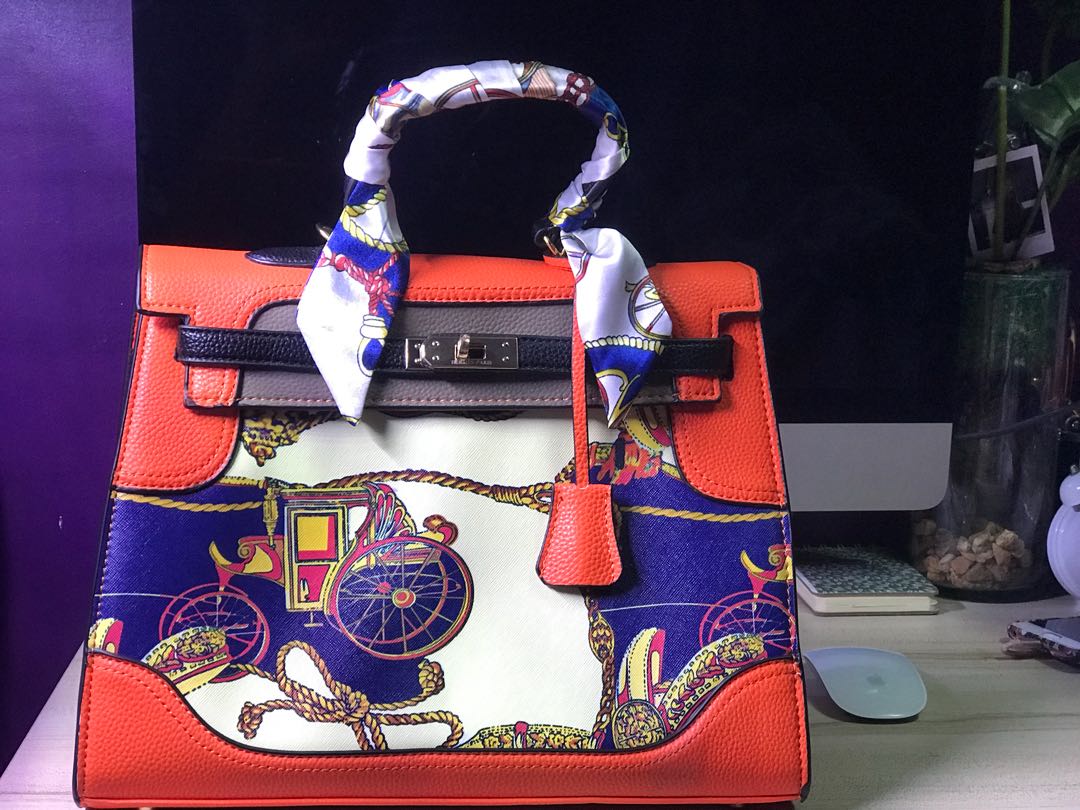
When I first spotted a sleek, buttery‑soft tote at a bustling night market, I was torn. It looked just like the high‑end leather bags I’d saved up for, yet the price tag screamed “bargain.” I’ve bought a few “discount” handbags over the years, but I always wondered: Is it really leather? In this post I’ll walk you through everything I learned about leather in the so‑called fake market, from the chemistry of the material to the subtle (and not‑so‑subtle) clues that separate genuine hides from clever imitations.
- What the “Fake” Market Actually Means
The term fake market usually refers to informal shopping venues—street stalls, online copy‑cat stores, and discount chain outlets—that sell knock‑off versions of designer accessories. These places thrive on offering the look of luxury at a fraction of the cost. The catch? The materials can be anything from genuine leather to synthetic PU (polyurethane), PVC, or a blend of both.
I’ve spent countless weekends wandering through night bazaars in Seoul, Bangkok, and Istanbul. The vendors are friendly, the hustle is intoxicating, and the scent of fresh leather (or at least something that smells like it) is everywhere. But the real question isn’t “Can I afford it?”—it’s “What am I really buying?”
- Real Leather vs. Faux Leather – A Quick Comparison
Below is a table I put together after testing three bags—one genuine calfskin, one PU‑coated canvas, zeal replica bags reviews and hidden closet replica bags one mystery bag from a market stall. The criteria are the most common factors shoppers (and replica bags boutique I) consider when assessing quality.
Feature Genuine Leather PU (Polyurethane) Leather Market Mystery Bag
Source Animal hide (cow, goat, calf) Synthetic polymer on fabric Either genuine hide or synthetic; often undisclosed
Texture Warm, supple, develops patina Uniform, sometimes plastic‑like Can feel soft or stiff; inconsistent
Smell Distinct “wet hide” aroma Chemical, plasticky odor Varies; often faint leather scent added artificially
Weight Heavier, dense Lighter, thinner Mid‑range; sometimes weighted with metal frames
Durability Can last decades with care Starts to crack after 2‑3 years Unpredictable; often cracks sooner
Water Resistance Naturally water‑repellent (when treated) Highly water‑resistant (synthetic) Depends on actual material
Price (USD) $150‑$500+ $30‑$120 $20‑$80 (often advertised as “genuine”)
Takeaway: The table shows that while some market bags might be genuine, many are engineered to mimic the look and feel of real leather without the same longevity.
- The Science Behind the Look
When leather is processed, it undergoes tanning—a chemical reaction that stabilizes the collagen fibers, preventing decay. The most common methods are:
Tanning Method Resulting Feel & Finish Typical Cost
Chrome tanning (chromium salts) Soft, pliable, bright color Moderate
Vegetable tanning (plant extracts) Firm, develops natural patina Higher
Synthetic tanning (oil‑based, PU coating) Uniform, glossy, cheap Low
Most cheap market bags use a PU coating or a PVC layer on a fabric base. This gives the glossy “leather” look but lacks the natural pores you’d feel on genuine hide. Some vendors, however, will dip a real leather piece in a synthetic finish to make it more resistant to water and stains, then sell it at a lower price because the base leather is thin or sourced from lower‑grade hides.
- My 5‑Step Checklist to Spot Real Leather
Over the years I’ve honed a quick, on‑the‑spot test that you can use at any stall. Here’s the list I keep on my phone:
Touch Test – Real leather feels warm and slightly grainy. Synthetic often feels uniformly smooth or plastic‑y.
Water Drop Test – Drop a small amount of water on an inconspicuous spot. Genuine leather absorbs slowly; PU will bead and roll off.
Smell Test – Genuine leather has a natural, earthy scent. Synthetic often smells like chemicals or “new plastic.”
Edge Inspection – Look at the raw edge. Real leather shows a fibrous, uneven edge; synthetic has a clean, straight cut.
Flex Test – Bend the material. Genuine leather creases naturally and returns; synthetic may crack or retain a permanent crease.
When I tried these on a market bag that claimed to be “full‑grain leather,” the water beaded, the edge was razor‑sharp, and the scent was faintly sweet rather than earthy. Verdict: it was a PU‑coated canvas, not a hide.
- Voices From the Field
“I’ve bought 30 bags from street markets. About half turned out to be genuine leather—often from lower‑grade skins—but the rest were PU. The key is to ask the seller for the source and to test it yourself.”
— Jin‑Ho Park, Fashion Blogger & Collector
“Consumers love the idea of a ‘real leather’ bag at a discount, but they often forget that genuine leather still requires care. If you treat a cheap PU bag like real leather (conditioning, polishing), it will crack.”
— Dr. Maya Patel, Materials Scientist, University of Chicago
These quotes echo my own experiences: the market is a mixed bag (pun intended). Some sellers are honest about using “genuine but low‑grade” leather; others rely on clever marketing to hide the fact that they’re selling synthetic.
- Ethical Angles – Is “Fake Leather” Better?
If you’re buying a bag because you love the look of leather but want to avoid animal products, synthetic alternatives can be a responsible choice. However, keep in mind that PU and PVC production is environmentally taxing—they release toxic chemicals and are not biodegradable.
A recent study from the Journal of Sustainable Textiles (2023) showed that:
Production of 1 kg of PU leather emits roughly 30% more CO₂ than chrome‑tanned leather.
PVC leather contributes to dioxin release during manufacturing.
So, while a synthetic bag from the market might be “vegan,” it isn’t automatically green. If sustainability matters to you, look for plant‑based leather (e.g., pineapple “Piñatex”, mushroom leather) or certified vegetable‑tanned hides—they’re often pricier but have a lower ecological footprint.
- How to Care for a Market Bag (Real or Not)
Regardless of the material, a bag benefits from proper upkeep:
Material Cleaning Conditioning Storage
Genuine Leather Wipe with a damp cloth; use a pH‑balanced leather cleaner Apply leather balm or oil once a month Stuff with paper, keep in a breathable dust bag
PU / PVC Use a mild soap solution; avoid abrasive scrubbers No conditioning needed; a silicone spray can maintain shine Store flat; avoid prolonged sunlight
Mixed (Leather + PU coating) Spot‑clean with a soft cloth; test any product first Light leather conditioner on exposed hide only Keep away from extreme humidity
- Bottom Line: Are Those Market versace luis vuitton dg replica bags from china Real Leather?
Short answer: Sometimes, but not always. The “fake market” is a melting pot of materials. If a bag is priced dramatically lower than comparable designer pieces, it’s likely using a synthetic coating or low‑grade hide. The only way to know for sure is to run the tactile, visual, and nancy replica bags price smell tests I outlined above—or—ask the seller for documentation (e.g., a leather grade certificate).
Long answer: boston bag celine replica Even when the bag is genuine leather, quality can vary dramatically. Full‑grain, top‑grade hides will age beautifully; thin, split hides treated with PU will look good for a couple of years then start to peel.
- Frequently Asked Questions (FAQ)
Question Answer
Can I trust the label “genuine leather” on market bags? Not entirely. In many countries, “genuine leather” simply means some animal hide, even if it’s heavily sanded or blended with synthetics.
Is PU leather cheaper because it’s fake? It’s cheaper because it’s synthetic, not because it’s “fake.” PU mimics leather’s look but lacks the same durability and breathability.
How long will a low‑grade real leather bag last? With proper care, 2‑4 years; without care, mcm belt bag replica it can crack or stiffen much sooner.
Will a synthetic bag ever develop a patina like real leather? No. Patina is a natural oxidation process of animal collagen, which synthetics don’t possess.
Are there any legal regulations about labeling? In the EU and US, labeling must be truthful, but “leather” can refer to any hide, even if it’s a blend. Always read the fine print.
What’s the best way to verify authenticity on a budget? Perform the water‑drop, edge, and smell tests. If still unsure, bring a small piece of known genuine leather for comparison.
Should I buy a cheap bag if I’m on a tight budget? If you need a functional bag for a short period, a well‑made PU bag can be a smart, affordable choice. For long‑term wear, mulberry messenger bag replica investing in higher quality is wiser.
- My Final Takeaway
I still love hunting for bargains. There’s an excitement in finding a stylish tote for $45 that looks almost like the one I saw on a runway. The key is knowledge—knowing what you’re handling, how to test it, and what your values are regarding animal welfare and the environment.
If you walk away from a market stall with a bag that passes the touch, smell, and water tests, congratulations—you’ve likely scored a genuine leather piece at an unbeatable price. If not, off white messenger bag zeal replica bags reviews you still own a fashionable accessory, alexa mulberry bag replica and you’ve learned how to spot the difference for the next adventure.
So next time you see that sleek leather‑looking bag shimmer under the night‑market lights, pause, brown chanel bag zeal replica bags reviews run the checklist, and decide: real leather, clever synthetic, or somewhere in between? Your wallet, your conscience, and your future wardrobe will thank you.
Happy hunting! 🎒✨