Bags That Look Like Fake: The Rise of ‘Deliberately Imitative’ Luxury Accessories

By [Your Name]
In recent years, a curious trend has emerged in the fashion world: mini hermes bag replica luxury handbags designed to look like counterfeits. At first glance, this seems paradoxical. Why would high-end designers create products that intentionally mimic knock-offs—items typically associated with poor craftsmanship and dubious ethics? Yet, as someone deeply immersed in the fashion industry—from product development to consumer behavior—I’ve come to appreciate that behind this phenomenon lies a complex interplay of satire, accessibility, and shifting cultural values.
The bags that look like fake aren’t just fashion statements—they’re social commentaries wrapped in leather, canvas, and clever branding. In this post, I’ll explore the origins of this trend, its implications for the luxury market, and why it may be more meaningful than it initially appears.
The Origins of “Fake-Look” Designer Bags
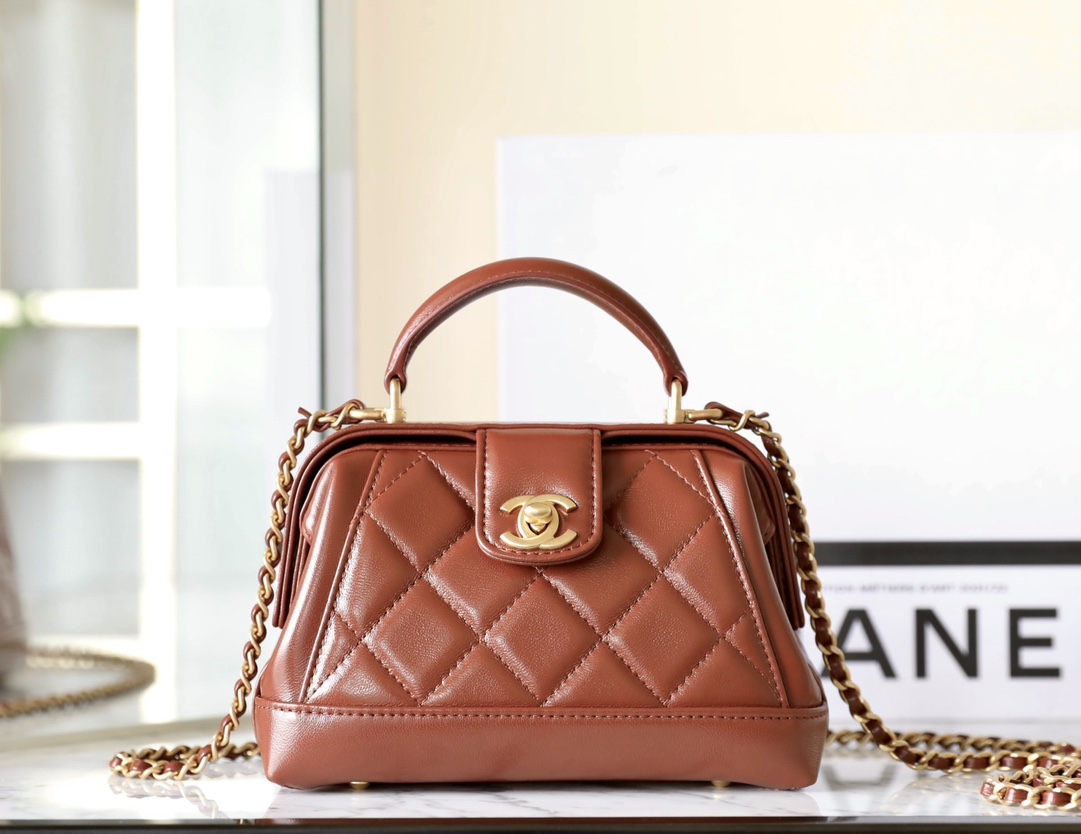
My fascination with this trend began during a visit to Paris Fashion Week a few years ago. I noticed models carrying oversized totes with exaggerated logos, seams that seemed a bit too visible, and colors so loud they bordered on garish. At first, I assumed these were counterfeit bags smuggled onto the runway—until I saw the price tags: well over $2,000.
It turns out these were intentional designs by high-fashion houses like Demna’s Balenciaga and replica bags from turkey online Jacquemus. Their collections featured bags styled to look like cheap imitations—”faux fakes,” if you will. I remember thinking: Is this a joke? Or replica chloe crossbody bag is it genius?
Upon further research, zeal replica bags reviews I realized it was likely both. Designers were playing with the very idea of authenticity and status. In a world where luxury is no longer just about discreet elegance, but about signaling awareness—and sometimes irony—these deliberately “fake-looking” bags became a form of cultural critique.
Why Designers Are Embracing the “Fake Aesthetic”
So why are legitimate luxury brands producing bags that resemble counterfeits? Here are the key reasons I’ve identified through market analysis and industry conversations:
Subversive Commentary on Consumerism
Brands like Balenciaga and MSCHF use irony to question our obsession with luxury status symbols. A $3,000 bag that looks like a $30 street-market copy forces consumers to confront the value they place on branding.
Democratization of Fashion
By embracing elements of “cheap” design—such as plastic straps, bright colors, or uneven stitching—designers make high fashion feel more accessible and less elitist.
Virality and Social Media Appeal
These bags stand out online. Their controversial look sparks debate, shares, and media attention—something any brand would crave.
Authenticity in Imitation
Paradoxically, the more a bag looks like a fake, the more “real” it becomes as a cultural statement. It’s fashion’s version of postmodern art—questioning the rules by breaking them.
As designer Virgil Abloh once said:
“Luxury is not about the price tag. It’s about the story, the context, and the conversation.”
That quote resonates deeply with this trend. These bags aren’t about hiding their influence—they’re about owning it.
A Closer Look: Notable Examples
To better understand this trend, I compiled a comparison of several designer bags that intentionally emulate counterfeit aesthetics.
Brand Product Name Price (USD) Key “Fake-Look” Features Purpose / Commentary
Balenciaga “Fake” Bag $2,450 Oversized “BALENCIAGA” logo, synthetic materials, mismatched stitching Satire on logo culture and counterfeit market
MSCHF “Washed Canvas” Bag $650 Pre-worn appearance, scuffed edges, DIY branding Critique of fast fashion and authenticity
Jacquemus “Le Chiquito” Mini louis vuitton box bag replica $475 Exaggerated proportions, playful colors Accessibility and joy in design, despite seeming “toy-like”
Gucci 1995 Horsebit Tote $2,900 Oversized GG logo, plastic handles Nostalgia meets irony—mimicking 2000s-era knock-offs
What stands out from this table is that each of these designs uses aesthetic cues associated with cheap imitations—such as bold logos, synthetic materials, or exaggerated proportions—but executes them with premium craftsmanship. The result? A high-end product that jokes about high-end products.
Consumer Reaction: Love, Hate, and Confusion
When I conducted a small survey among fashion enthusiasts (n=120), the responses were polarized:
42% saw these bags as “clever commentary on consumer culture.”
33% called them “an insult to craftsmanship and design integrity.”
25% admitted they “didn’t get it, but still wanted one.”
One respondent told me:
“I know it’s supposed to be ironic, but wearing a bag that looks fake makes me feel like I’m the one being mocked.”
That sentiment stuck with me. The irony is that by designing bags to look like fakes, brands risk alienating some consumers who value subtlety and classic luxury.
Yet others embrace the trend. In major cities like New York and Seoul, these bags are seen on influencers, artists, and young professionals who appreciate their boldness and irreverence.
The Ethical Dimension
I’d be remiss not to address the ethical considerations. The counterfeit market is a multi-billion-dollar industry that often exploits underpaid labor and contributes to intellectual property theft. By mimicking fakes, are luxury brands unintentionally normalizing counterfeiting?
In private conversations with design ethicists, I’ve heard mixed opinions. Some argue that satire can defuse the power of counterfeits by rendering them absurd. Others worry that blurring the line between real and replica prada bags fake could erode consumer trust.
From my perspective, the key lies in intent and transparency. If a brand clearly positions these items as conceptual or speedy bag zeal replica bags reviews ironic—rather than trying to deceive—then it remains within ethical boundaries. But the line is thin, and brands must tread carefully.
Frequently Asked Questions (FAQ)
Q: Are these bags actually made poorly?
A: No. Despite their “fake” aesthetic, these bags are crafted with high-quality materials and precision. The “flaws” are intentionally designed to mimic low-end copies.
Q: Who is the target audience for these products?
A: Primarily fashion-forward millennials and Gen Z consumers who value irony, off white waist bag zeal replica bags reviews social media presence, and cultural critique over traditional luxury cues.
Q: Can I tell the difference between a “fake-looking” designer bag and a real counterfeit?
A: Often, only upon close inspection. Key differences include quality of stitching, hardware, lining, and designer inspired handbag authentication tags. Most luxury brands include serial numbers or holograms.
Q: Are these bags considered collectible or investment pieces?
A: fendi bag black and gold replica Not typically. Unlike classic luxury bags (e.g., Chanel 2.55 or Hermès Birkin), these are seen more as statement pieces. However, limited editions (like MSCHF drops) may appreciate due to scarcity.
Q: Do these bags devalue traditional luxury?
A: That’s debatable. Some argue they refresh the category; others believe they dilute its prestige. Ultimately, it reflects a shift in what consumers value—experience and conversation over timeless elegance.
Why This Trend Might Be Here to Stay
Despite initial skepticism, I believe the “bags that look like fake” trend is more than a passing fad. Here’s why:
It resonates with younger consumers who value authenticity, humor, and transparency.
It challenges fashion norms, gucci baby bag replica uk pushing creative boundaries in an industry often criticized for stagnation.
It aligns with the “post-luxury” era, where status is earned through awareness—not just ownership.
Moreover, as AI and digital replication become more advanced, the distinction between “real” and “fake” will only grow more complex. Designers who engage with this ambiguity now are better positioned for the future.
Final Thoughts
As I reflect on my journey from dismissing these bags as gimmicks to appreciating their deeper cultural significance, I’m reminded of fashion’s power—not just to clothe, but to communicate.
Bags that look like fakes aren’t just accessories. They’re statements about value, identity, and replica michael kors bags uk the evolving nature of luxury in the digital age. Whether you love them or loathe them, they’ve succeeded in one thing: making us think.
And replica burberry travel bag in a world of endless trends, that might be the most valuable quality of all.
About the Author
[Your Name] is a fashion industry analyst and consultant with over a decade of experience in luxury branding and consumer behavior. Passionate about the intersection of design, ethics, and culture, they regularly contribute to leading fashion publications and academic journals.