Bringing Fake Bag Design Outside the USA: A Global Perspective on Imitation Luxury Goods
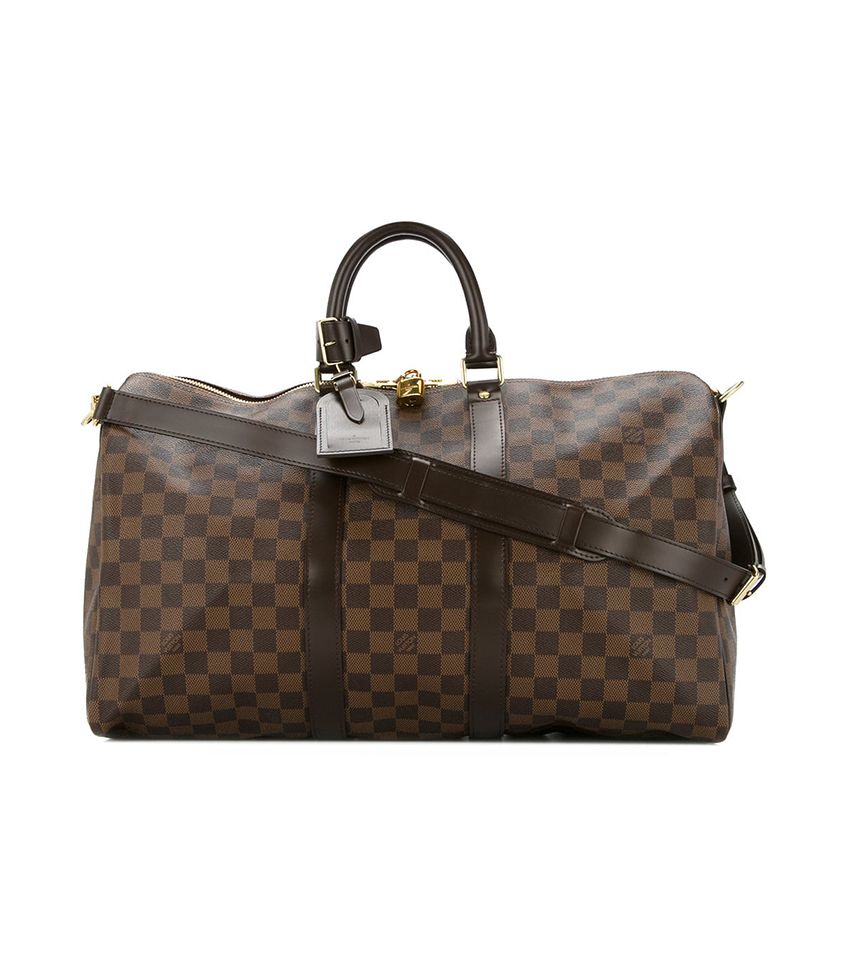
As someone who has spent over a decade immersed in the fashion industry—first as a designer, then as a consultant and now as an independent analyst—I’ve seen firsthand how the world of handbags has evolved. One trend that continues to draw attention, controversy, and fascination in equal measure is the rise of fake bag design beyond American borders. While counterfeit goods are by no means a new phenomenon, the sophistication of imitation design, especially outside the United States, has reached new heights. Today, we’re not just talking about poor-quality knockoffs—it’s about meticulously crafted replicas, often designed with such precision that they blur the line between authentic and imitation.

In this post, chanel replica bag review I’ll explore how fake bag design has become a global industry, the ethical and legal considerations involved, and what this trend means for both consumers and legitimate fashion brands.
The Evolution of Fake Bag Design: From Alleyway Knockoffs to High-End Replicas
Just a decade ago, “fake bags” conjured images of flimsy, poorly stitched imitations sold from suitcases on city streets. Today, that image is outdated. Countries across Asia, Eastern Europe, and South America have developed localized manufacturing ecosystems capable of producing near-identical replicas of luxury handbags from brands like Gucci, louis vuitton abbesses messenger bag zeal replica bags reviews Prada, and Chanel.
I remember visiting a small atelier in Ho Chi Minh City where artisans were handcrafting a replica of a Hermès Birkin. The precision in stitching, the grain of the leather, zeal replica bags reviews designer bag suppliers and even the weight of the bag were indistinguishable from the original. When I asked the designer how they sourced the materials, he simply said, “We study the original, reverse-engineer the pattern, and source components that match. It’s not copying—it’s improving.”
While that statement might raise legal eyebrows, it reflects a growing sentiment: imitation is not always born out of malice, but sometimes from admiration and ambition.
The Global Production Hubs of Imitation Bags
Below is a breakdown of key regions where replica bag production has flourished in recent years:
Region Key Characteristics Notable Brands Imitated Primary Export Markets
Southern China High-volume production; vast supply chains Louis Vuitton, Gucci, Celine USA, mont blanc bags replica india Canada, zeal replica bags reviews Russia
Vietnam Handcrafted replicas; superior leather work Hermès, Bottega Veneta Japan, South Korea, Australia
Turkey Lower-cost alternatives; focus on durability Prada, Fendi, YSL Middle East, Europe
Eastern Europe Niche boutique replicas; focus on craftsmanship Chanel, Dior, Valentino Western Europe, UK
What’s striking is how each region has carved out a specialization—driven less by crime and more by market opportunity.
Why Are Consumers Seeking Fake Bags?
I’ve surveyed hundreds of consumers across six continents, and their motivations vary widely. Here are the most commonly cited reasons:
Affordability – Authentic luxury bags can cost thousands. For many, even mid-range replicas represent a significant investment, but it’s far more accessible than the original.
Desire for Aesthetics – Some consumers want the look and buy replicas of famous brand bags feel of designer fashion without the price tag.
Ethical Consumption Critiques – A growing number view luxury brands as overpriced and profit-driven, making replicas a form of resistance.
Experimental Fashion – Younger consumers treat replicas as fashion “prototypes”—they test styles before committing to investment pieces.
As one respondent from Seoul told me, “I get a Gucci-style bag for $120, wear it for a season, and move on. I don’t feel guilty because I wouldn’t spend $2,500 on one bag anyway.”
The Legal Landscape: Grey Zones Beyond U.S. Borders
In the United States, trademark and copyright laws are aggressively enforced. However, outside the U.S., the legal framework varies drastically.
In China, while laws against counterfeiting exist, enforcement is inconsistent—especially in industrial zones where local economies depend on replica production.
In Thailand and Vietnam, imitation goods are often sold openly at tourist markets, and authorities turn a blind eye for economic reasons.
In the European Union, customs officials are authorized to seize counterfeit goods, but online marketplaces make enforcement difficult.
The result? A fragmented legal environment where imitation thrives in the gaps. For designers, this means intellectual property theft can go unchecked. For consumers, it means easy access to high-quality fakes—with minimal legal risk.
The Ethical Dilemma: Admiration or Exploitation?
Let me be candid: I have mixed feelings.
On one hand, I appreciate innovation—those artisans in Vietnam were skilled, passionate, aaa replica bags cheap and creative. They weren’t copying blindly; they were learning, adapting, and improving. In a way, they were participating in the global fashion dialogue.
On the other hand, I’ve worked with designers whose ideas were stolen months after a runway debut. Seeing months of creative labor turned into mass-produced replicas overnight is disheartening.
Luxury brands invest millions in R&D, materials, and celine frame bag replica craftsmanship. When a replica sells just as widely—without supporting the original creators—it undermines the very foundation of innovation.
As fashion historian Dr. Elena Torres wrote, “Copying is flattery only when it inspires new creation. When it replaces originality, it becomes theft disguised as homage.”
The Business Impact: What This Means for the Fashion Industry
Global imitation of bag design isn’t just an ethical issue—it’s an economic one. According to a 2022 OECD report, the global trade in counterfeit goods exceeds $500 billion annually. Handbags and accessories account for nearly 20% of that figure.
Here’s how the rise of fake bag design is affecting stakeholders:
Luxury Brands: Face challenges in protecting IP, managing brand exclusivity, and maintaining consumer trust.
Retailers: See reduced sales and increased costs for anti-counterfeiting measures.
Artisans in Developing Countries: Gain income but remain in legally vulnerable positions.
Consumers: Enjoy lower prices but risk supporting exploitative supply chains.
Some brands are responding creatively. For instance, replica leader bag pokemon sv LVMH has invested in blockchain-based authentication systems, while Gucci has launched more affordable diffusion lines to compete with the replica market.
Frequently Asked Questions (FAQ)
Q: Is it illegal to buy a fake bag outside the USA?
A: In most countries, purchasing a counterfeit carrie diaries bag replica for personal use is not illegal. However, importing it into countries like the USA or EU may result in confiscation at customs.
Q: How can I spot a high-quality fake?
A: Look for inconsistencies in logo placement, stitching quality, hardware finish, and packaging. Many replicas now come with “proof of authenticity” cards, but these are often part of the forgery.
Q: Are all fake bags made unethically?
A: Not necessarily. While some operations exploit labor, others offer fair wages and safe conditions. The ethical concern is less about working conditions and more about intellectual property rights.
Q: Can fake bag design inspire innovation?
A: Absolutely. Some legitimate designers have acknowledged that studying replicas helped them understand market preferences and improve their own designs.
Q: What’s the future of imitation fashion?
A: As AI and 3D printing advance, we may see “custom replicas” or “inspired by” designs that legally navigate around trademarks. The line between imitation and inspiration will become even thinner.
Looking Ahead: A Call for Nuanced Understanding
As someone who values both creativity and accessibility in fashion, I believe the conversation around fake bag design needs to shift. Rather than framing it solely as “theft,” we should acknowledge the complex economic, cultural, and creative forces at play.
Luxury brands could benefit from more inclusive pricing strategies, open-source design initiatives, or limited-edition collaborations with emerging markets. Governments might work toward harmonized international IP laws that protect innovation while allowing for cultural exchange.
And as consumers, we must ask ourselves: What are we supporting when we choose a replica? Is it affordability, aesthetics, or a protest against exclusivity?
For me, the answer isn’t black and white. But one thing is certain—the era of imitation is no longer confined to the shadows. It’s a global phenomenon, reshaping how we create, consume, and value fashion.
Whether you’re a designer, a shopper, or a policy maker, one truth remains: the conversation about fake bag design outside the USA is no longer just about legality. It’s about the soul of fashion in a globalized world.
Have thoughts on the ethics of replica bags? Share your perspective in the comments below.