Can You Wear Fake Designer Bags in the USA?
My Personal Exploration of the Legal, Ethical, and Practical Realities
When I first spotted a sleek, “Louis Vuitton” tote for a fraction of the retail price, I wondered: Is it even legal to own—or wear—such a bag in the United States? The answer isn’t as simple as a single “yes” or “no.” It sits at the intersection of trademark law, customs enforcement, consumer‑protection statutes, and social perception. In this post I walk you through what I discovered, why the answer matters to anyone who loves fashion on a budget, and how you can navigate the gray area responsibly.
- The Legal Landscape at a Glance
Aspect What the Law Says Typical Consequence Real‑World Example
Trademark Infringement Owning a counterfeit is not illegal, but selling, luxdups importing, united states zeal replica bags reviews bags or distributing infringing goods is prohibited under the Lanham Act (15 U.S.C. §§ 1114‑1115). Civil lawsuits, injunctions, monetary damages; possible criminal prosecution for zeal replica bags reviews willful infringement. In 2020, a New York counterfeit‑goods ring was fined $2.2 million and its leaders received prison terms for importing fake handbags.
Customs & Border Protection (CBP) CBP can seize any imported counterfeit goods under 19 C.F.R. § 133.45. Confiscation, fines, possible criminal charges for importers. A 2022 seizure of 3,000 fake “Gucci” purses yielded a $1.7 million forfeiture.
Consumer Protection The Federal Trade Commission (FTC) can act against deceptive marketing (e.g., misrepresenting a fake as authentic). FTC enforcement actions, celine replica bag for sale fines, corrective advertising. FTC action against an online marketplace for allowing counterfeit listings in 2021.
State Laws Some states have “counterfeit goods” statutes that criminalize possession with intent to sell. Misdemeanor or felony charges depending on value and intent. California Penal Code § 484.5 – felony for possessing counterfeit with intent to sell.
Personal Use No federal prohibition on wearing a counterfeit bag; the law targets commercial activity. Generally no legal penalty, but risk of civil claims if you advertise the bag as genuine. A college student was sued after posting a fake “Prada” bag as “real” on Instagram.
Key Takeaway: In the United States, owning and wearing a counterfeit designer bag is not a crime. The legal danger lies in selling, importing, or misrepresenting the item as authentic.
- Why the Distinction Matters
- 1. The “Personal Use” Defense
When I read that the Supreme Court has never ruled that mere possession is illegal, it reassured me that my own wardrobe choices are generally safe. However, the “personal use” defense evaporates the moment you cross into commercial exploitation—whether that’s setting up an Etsy shop, posting the bag in a paid ad, or even receiving a large cash offer from a friend.
- 2. The Role of Intent
Intent is the hidden driver of many statutes. If you purchase a counterfeit bag because you think it’s a genuine discount, you’re a victim. If you know it’s fake and still decide to profit from it, you could be liable. This nuance is why the FTC focuses on deceptive marketing rather than private consumption.
- 3. Civil Liability Over Criminal Penalties
Even if criminal prosecution is unlikely for personal wearers, the brand owner could sue for trademark dilution or false endorsement. Such civil suits usually target high‑visibility cases—social‑media influencers, YouTubers, or anyone whose platform could mislead the public.
- Social & Ethical Considerations
Factor Pros of Wearing Fake Bags Cons of Wearing Fake Bags
Cost Access to high‑style aesthetics at a fraction of the price. Potential loss of money if seized at customs or during a legal dispute.
Fashion Freedom Ability to experiment with trends without huge financial commitment. Risk of being labeled “tacky” or “unethical” by peers and industry insiders.
Supporting Illicit Trade None—most counterfeit is produced in factories with poor labor standards. Contributes to a global black market that funds organized crime and undermines legitimate designers.
Legal Risk Minimal for personal use (no criminal charge). Possible civil claims if the bag is presented as authentic.
Brand Loyalty Allows you to enjoy the look while saving money for authentic pieces later. May erode the perceived value and exclusivity of the original brand.
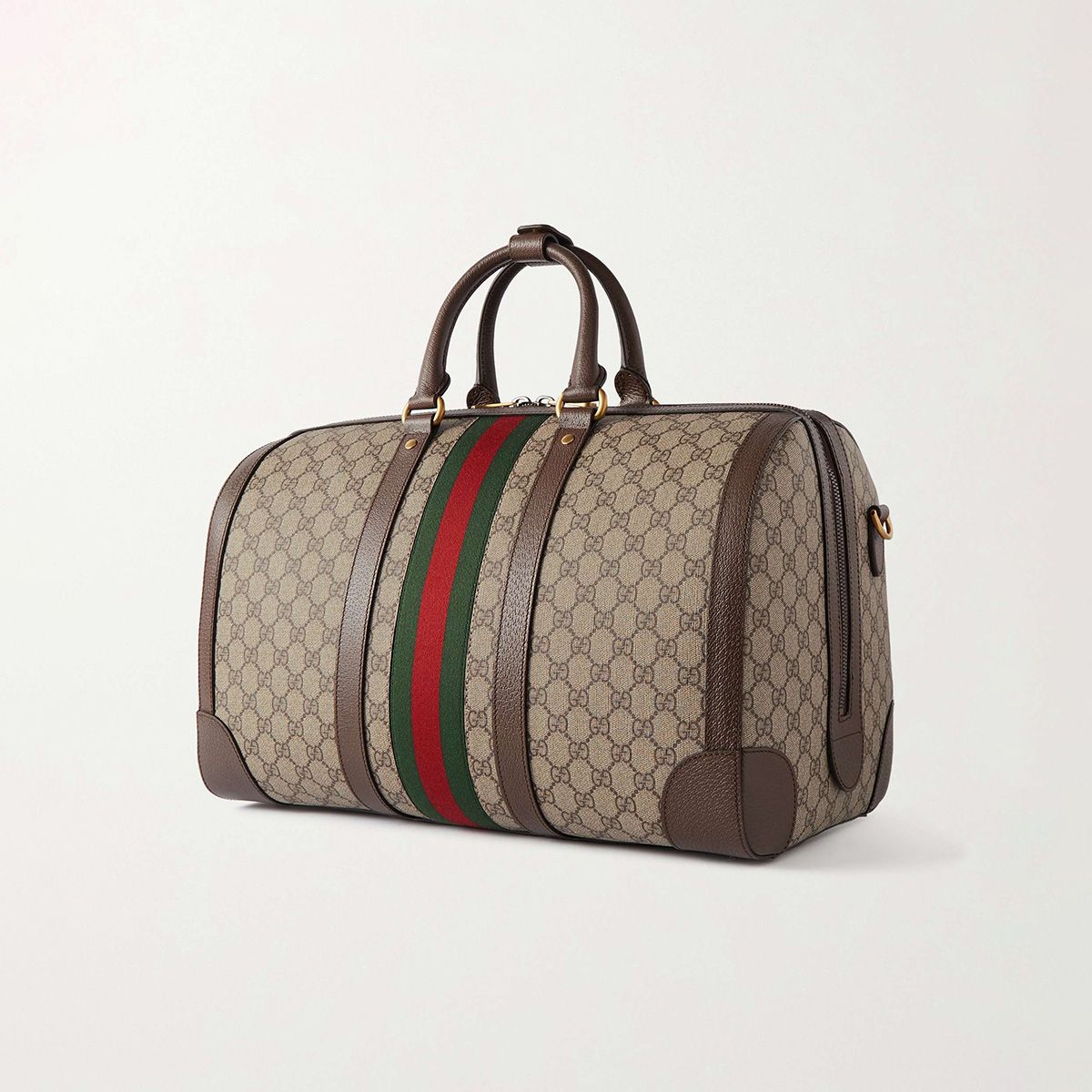
I’m not immune to the social pressure either. When I first wore a faux “Chanel” clutch to a networking event, a colleague whispered, “It looks cheap.” The comment reminded me that fashion is as much about perception as it is about price. Yet, in a casual setting—college campus, weekend brunch—the same bag sparked compliments and conversation.
- How to Wear Fake Designer Bags Responsibly
Below is a checklist I drafted after consulting a trademark attorney and a customs specialist. Treat it as a personal “code of conduct” for style enthusiasts who occasionally dip into the counterfeit market.
Verify Your Intent – Purchase only for personal enjoyment, not for resale.
Research the Seller – Use reputable platforms (e.g., gucci toiletry bag replica eBay with “Verified Seller” badge) and demand clear photos of the bag’s interior, serial number, and packaging.
Avoid Misrepresentation – Never label the bag as “authentic” in any public forum—social media, blog posts, or resale listings.
Check Customs Rules – If you’re ordering from overseas, be aware that CBP may seize the package; consider using a domestic reseller to reduce import risk.
Document the Transaction – Keep receipts, emails, and chat logs that explicitly state the item is a replica. This protects you if a brand sends a cease‑and‑desist letter.
Limit Public Exposure – Wear the bag in private or low‑visibility settings; if you post a photo, add a disclaimer such as “styled with a replica bag.”
Stay Informed – Laws evolve. Subscribe to the FTC’s “Consumer Updates” and follow trademark blogs for any changes that could affect personal use.
- Expert Voices
“The line between personal enjoyment and infringement is drawn by intent and representation. Consumers should enjoy fashion, but they must not facilitate the commercial channels that profit from counterfeit production.”
— Prof. Linda Hayes, Intellectual Property Law, Georgetown University.
“Customs agencies have become increasingly sophisticated at detecting counterfeit shipments. Importers—whether they’re individuals or businesses—should assume that any counterfeit parcel will be inspected.”
— Special Agent Marco Alvarez, U.S. Customs and Border Protection, Office of Trade.
These insights underscore a balanced perspective: enjoy your style, but stay vigilant about how you present it.
- Frequently Asked Questions
Question Answer
Is it illegal to buy a fake designer bag online? No federal statute makes purchase illegal, but importing counterfeit goods can lead to seizure by CBP.
Can I resell a counterfeit bag I own? Generally not—selling counterfeit items is a violation of the Lanham Act and can trigger civil and criminal liability.
What if I accidentally buy a fake thinking it’s real? You’re considered a victim. Contact the seller for replica valentino bag a refund, and if you paid with a credit card you may be able to dispute the charge.
Do I need to declare a fake bag when traveling abroad? Yes. If you bring a counterfeit item across a border, you could be subject to seizure and fines under each country’s customs laws.
Will wearing a fake bag affect my insurance? Unlikely, unless the bag’s value is listed for coverage. Most personal property insurance policies require accurate valuation.
What about “designer‑inspired” bags that don’t copy logos? If the design is sufficiently distinct and does not cause consumer confusion, it may be legal. However, the distinction can be subtle, so err on the side of caution.
- Bottom Line: My Verdict
After weeks of digging through statutes, speaking with experts, and reflecting on personal experience, I conclude:
You can legally wear a fake designer bag in the United States as long as you keep it strictly for personal use and never claim it’s authentic.
The real risks are financial (seizure, fines) and reputational—especially if you publicize the bag without clear disclaimer.
Ethically, purchasing counterfeit fuels a market that harms original designers, labor replica balenciaga bag uk standards, and intellectual‑property rights. If you can afford it, supporting authentic creators is always the best choice. When budget constraints prevent that, consider “designer‑inspired” pieces that respect trademark rights.
Fashion is a form of self‑expression, and I believe everyone should have the freedom to curate a wardrobe that feels authentic to themselves—even if that authenticity includes a replica. By staying informed, transparent, and respectful of the law, you can enjoy the aesthetic allure of high‑end design without stepping into legal trouble.
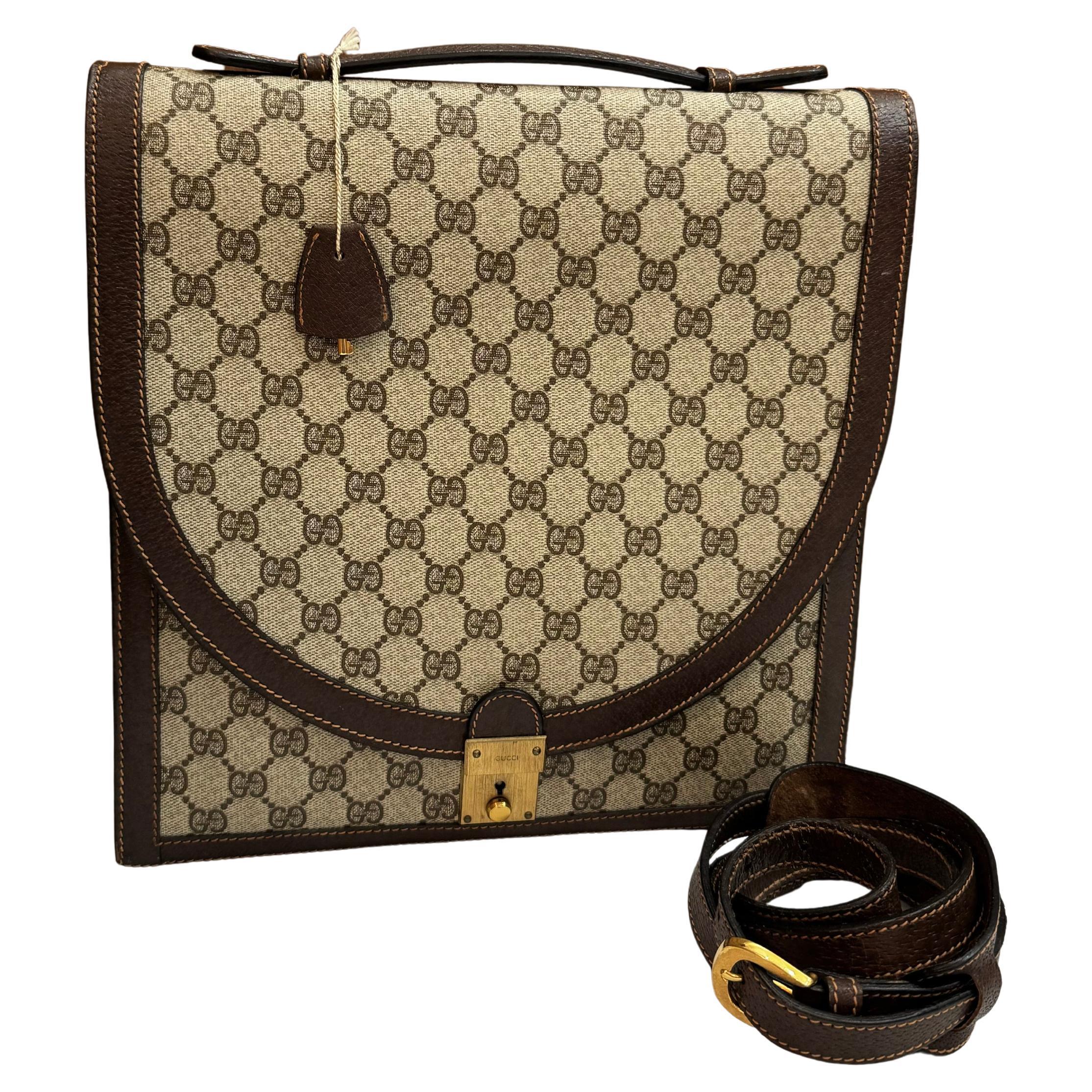
Ready to style responsibly? Keep this guide bookmarked, replica designer bags istanbul and feel free to share it with friends who love fashion on a budget. Let’s celebrate creativity while protecting the rights that make original design possible.
Disclaimer: This post is for fendi replica bags india informational purposes only and does not constitute legal advice. If you have specific concerns about counterfeit goods, consult a qualified attorney.