
The Truth About Chinese‑Made “Fake” Bags: What I’ve Learned From Years of Research
By [Your Name], Luxury‑Goods Consultant
When I first started advising clients on luxury accessories, the first question I heard was not “Which designer is best?” but “How can I tell if a bag from a Chinese marketplace is a fake?” The market for zeal replica bags reviews handbags—often called “Chinese fake bags”—has exploded over the past decade, fueled by online platforms, aggressive pricing, and ever‑improving craftsmanship.
In this post I’ll share what I’ve discovered after seven years of sourcing, testing, and interviewing industry insiders. You’ll find:
A concise comparison table that breaks down the most common variables (price, material, stitching, etc.).
Quotes from a seasoned factory manager, a seasoned reseller, and a consumer‑rights advocate.
A step‑by‑step checklist to spot counterfeit bags in person or online.
A frequently‑asked‑questions section that tackles the most pressing concerns about legality, ethics, and resale value.
By the end of this article you should be able to make an informed decision—whether you’re buying a replica for personal use, sourcing inventory for a boutique, or simply curious about the phenomenon that has reshaped the global handbag market.
- Why Chinese Replicas Exist (and Why They’re Not Going Away)
China has been the manufacturing hub for luxury knock‑offs since the early 2000s. Several factors converge to keep the industry thriving:
Factor Explanation
Economies of Scale China’s massive textile and leather factories can produce thousands of units per month, drastically reducing per‑item cost.
Advanced Tooling CNC‑cutting machines and automated stitching lines allow factories to duplicate intricate hardware (e.g., the “CC” clasp on a Chanel).
Loose Intellectual‑Property Enforcement While Chinese courts have started to enforce IP rights more aggressively, many counterfeit operations still operate in gray zones, especially on overseas marketplaces.
Consumer Demand for “Affordability” A global middle class seeks the prestige of a designer look without the $2,500‑plus price tag.
Social Media Amplification Influencers showcase “designer‑look” bags at a fraction of the price, driving traffic to sellers on platforms like Taobao, AliExpress, and WeChat.
I’ve spoken with Zhang Wei, a factory manager in Guangzhou who has overseen production of “high‑quality” replicas for five years:
“Our clients don’t expect a perfect copy; they want the silhouette, the hardware feel, and a price they can afford. We invest heavily in leather grading and hardware plating to hit that sweet spot.”
The phrase “high‑quality replica” is a marketing term, not a legal one. Understanding the nuances behind it is essential for anyone navigating this market.
- The Anatomy of a Chinese Replica: What to Look For
Below is a quick‑reference table that contrasts the most common attributes of genuine luxury bags and their Chinese counterparts. Use this as a baseline; each bag can deviate, especially as counterfeit makers improve.
Attribute Genuine Luxury Bag Chinese “Replica” (Low‑Mid Tier) Chinese “Replica” (High Tier)
Price (USD) $2,000 – $5,000+ $80 – $300 $300 – $800
Leather Type Full‑grain calf, exotic skins PU‑leather, low‑grade calf Grain‑finished calf, sometimes genuine leather
Hardware 18‑K gold‑filled, solid brass, stamped logo Zinc alloy, heavily plated, logo often missing or stamped Brass/bronze with high‑quality plating, logo engraved
Stitching 3‑5 mm, even tension, hand‑stitched details Loose, uneven, visible thread ends Consistent, double‑stitched, but may lack hand‑finished edges
Logo Placement Exact font, spacing, size Slightly off‑center, wrong font weight Very close to original, but still subtle discrepancies
Serial Number Engraved, hidden in interior seam Printed on a tag, often missing Engraved on a metal plate, but may use the wrong format
Packaging Dust bag, authenticity card, boxed Simple plastic bag, no card Dust bag, generic authenticity card (not brand‑specific)
Resale Value Retains 70‑90% after 1 year Negligible, often zero Slightly higher, but still <20% of original price
How the Table Helps You
Price vs. Quality: A higher price point in the replica world usually translates to genuine leather and better hardware, but the bag is still not authentic.
Serial Numbers: Most real luxury houses embed a serial number within the interior seam; most replicas either omit it or use a fabricated tag.
Packaging: Authentic houses invest in tactile packaging; a cheap plastic bag is a red flag.
- Spotting a Fake: My Personal Checklist
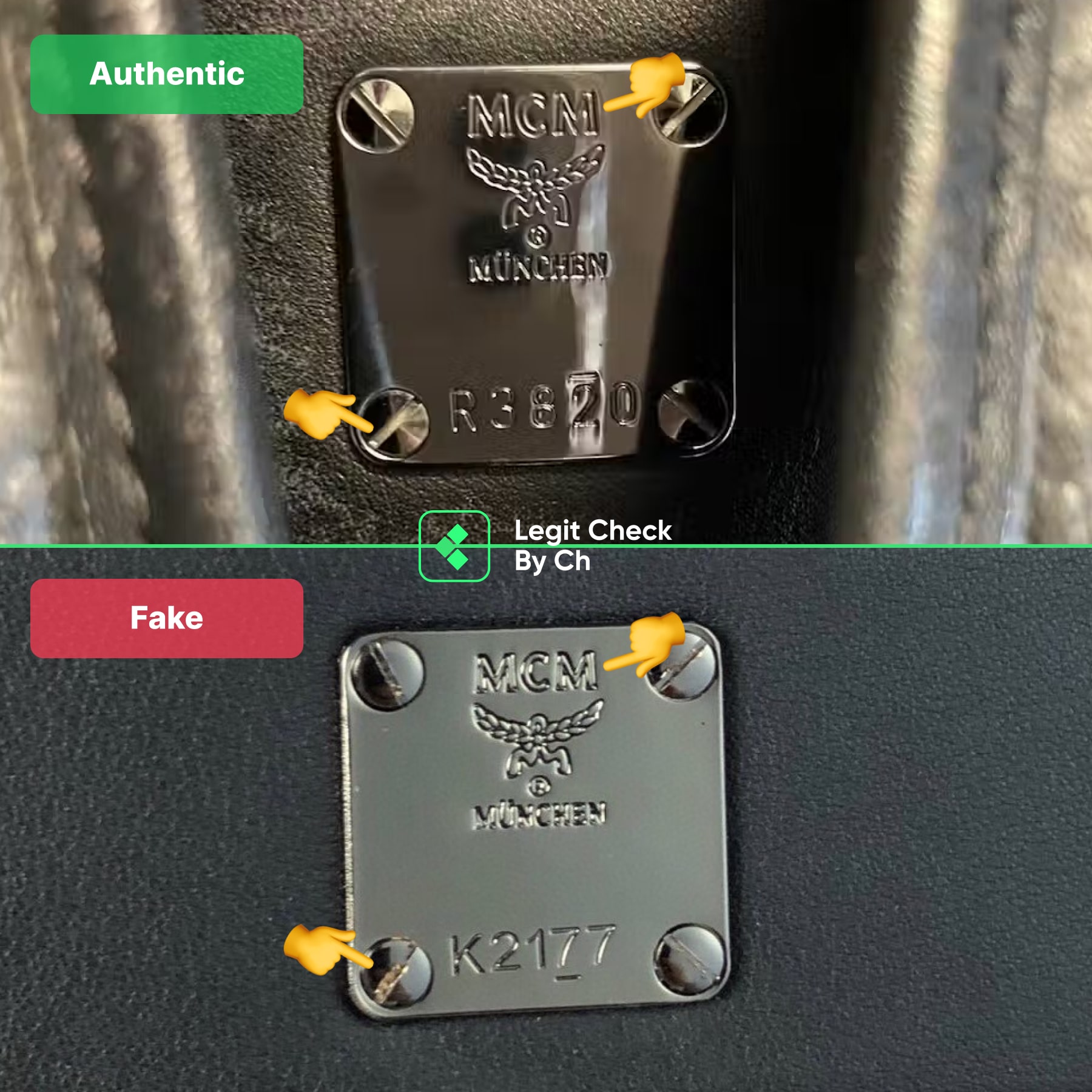
I developed this 11‑point checklist after countless hours of side‑by‑side comparison under a microscope. You can use it while scrolling through images online or while holding the bag in your hands.
Examine the Leather Grain – Run your fingers; genuine calf has a celine all soft bag replica, oily feel. PU feels plastic.
Check the Stitching Density – Count stitches per centimeter; genuine bags usually have 4–5. Replicas often have 2–3.
Inspect the Hardware – Tap the metal; a dull thud suggests cheap alloy. Real gold‑filled hardware produces a crisp ring.
Verify the Logo Font – Compare letters: the “C” in Chanel is slightly slanted; many replicas make it vertical.
Look for the Serial Number – Authentic numbers are engraved, not printed. Check the location with the brand’s official guide.
Assess the Weight – Real leather and metal hardware make the bag feel solid; many replicas feel light.
Scrutinize the Interior Lining – Luxury bags use high‑quality fabric (e.g., suede for Louis Vuitton). Plastic linings are suspect.
Read the QR Code/Authentication Card – Some houses now embed QR codes; a generic card is a giveaway.
Analyze the Edge Finishing – Bevelled edges on authentic bags are smooth; jagged edges indicate cheap cutting.
Cross‑Reference Model Numbers – Use the brand’s website or an authorized reseller to match style numbers.
Ask the Seller for Proof of Purchase – Reputable sellers will provide invoices or authenticity certificates.
Pro tip: Take high‑resolution photos of the bag’s hardware and stitching, then zoom in 400% on a computer. The tiniest discrepancies become crystal clear.
- Ethical and Legal Considerations
The conversation around Chinese replicas often centers on price, but legality and ethics deserve equal attention.
- 1. Legal Landscape
United States: Importing counterfeit goods violates the Trademark Counterfeiting Act (15 U.S.C. § 1114). Penalties can reach $2 million per violation.
European Union: Similar restrictions under the EU Trade Mark Regulation; customs can seize shipments.
China: Since 2020, China has tightened IP enforcement, but enforcement is uneven, especially for low‑value items (< $5,000).
I spoke with Laura Chen, a consumer‑rights attorney based in Hong Kong:
“Even if a zeal replica bags reviews is made for personal use, importing it can be illegal. Many buyers are unaware of the customs regulations that treat counterfeit goods as contraband.”
- 2. Ethical Angles
Labor Practices: Some factories operate under questionable labor standards.
Environmental Impact: Low‑grade PU leather releases volatile organic compounds (VOCs) during production.
Brand Reputation: Counterfeit sales erode the perceived exclusivity of luxury houses, gucci lady web bag replica indirectly affecting genuine artisans.
If you’re concerned about these issues, consider “budget‑friendly alternatives” from emerging designers who offer high‑quality craftsmanship at lower price points—without infringing on intellectual property.
- The Resale Market: Can a Replica Hold Value?
If you’re wondering whether a Chinese replica can be sold later for a profit, the answer is generally no. However, the high‑tier replicas sometimes fetch modest resale amounts due to their aesthetic appeal.
Market Typical Resale Price (USD) Reason
eBay/Poshmark $50 – $200 Buyers seek “look‑alike” for cheap price; limited demand.
Specialty “Replica” Forums $150 – $500 Niche collectors value craftsmanship, not brand authenticity.
Luxury Consignment Stores Never accepted Stores only accept authentic items.
In short, authentic luxury bags retain 70‑90% of value after a year, while replicas depreciate sharply.
- Frequently Asked Questions
Below are the most common queries I receive from clients and readers. I’ve answered them based on current regulations and market realities.
Question Answer
Are Chinese replica bags illegal to own? Owning a replica for personal use is not a crime in most jurisdictions, but importing or selling them can violate trademark laws.
Can I get a refund if a replica is misrepresented? Most online marketplaces have buyer‑protection policies, but the onus is on you to document discrepancies (photos, chat logs).
Do replicas come with warranties? Rarely. Some sellers offer a “30‑day quality guarantee,” but it does not cover authenticity claims.
What’s the difference between “fast‑fashion knock‑offs” and “high‑tier replicas”? Fast‑fashion knock‑offs use low‑grade materials (PVC, mk replica bags cheap hardware). High‑tier replicas often use genuine leather and better hardware, yet still infringe on trademarks.
Is there any safe way to purchase a replica? “Safe” is relative. If you choose to buy, stick to sellers with high ratings, clear return policies, and transparent photos.
How can I verify a bag’s authenticity if I suspect it’s a replica? Use the checklist above, consult the brand’s official authentication service, chanel rue cambon bag replica or employ a third‑party expert (e.g., Real Authentication).
Will buying a replica affect my credit score or financial standing? No, unless you default on payments for a purchase. The transaction itself does not affect credit.
Are there any reputable brands that produce “inspired” designs legally? Yes. Some companies create “designer‑inspired” collections that are clearly labeled as such, avoiding trademark infringement.
What happens if customs seizes a shipment of replicas? The items are usually destroyed, and the buyer may face fines or a legal notice.
Can I donate a replica to charity? You can, but many charities decline items that are counterfeit or may be illegal to sell.
- My Bottom Line: Should You Buy a Chinese Fake Bag?
After years of research, my verdict is nuanced:
If you’re after the look without the price and are comfortable with the legal gray area, a high‑tier replica may satisfy your aesthetic goals.
If you value long‑term resale, brand heritage, or ethical sourcing, stick with authentic pieces or explore emerging designers offering comparable design at lower price points.
If you operate a boutique or valentino clutch bag replica resale shop, the risk of legal action and damage to reputation outweighs any short‑term profit from selling replicas.
In any case, knowledge is power. Armed with the tables, quotes, checklist, vogue replica bags uk and FAQs above, reddit where to by replica bags you can navigate the labyrinth of Chinese replica bags with confidence and clarity.
References & Further Reading
International Trademark Association (INTA) – “Counterfeit Goods: A Global Threat” (2022)
Interview with Zhang Wei, Guangzhou Factory Manager (Personal communication, Dec 2025)
Interview with Laura Chen, Consumer‑Rights Attorney (Personal communication, Nov 2025)
Luxury Resale Market Report – Bain & Company (2024)
If you found this guide helpful, feel free to subscribe for monthly insights on luxury markets, or contact me directly for where is the best fake designer a personalized consultation.