When I first set foot in Istanbul’s bustling Grand Bazaar, the glitter of gold‑plated lanterns and the scent of roasted chestnuts felt like stepping into a living museum. A few stalls later, my eyes landed on a glossy, red‑solved handbag that looked suspiciously like a Louis Vuitton Neverfull—but its price tag read “₺1,200” (about $65). I had stumbled upon Turkey’s thriving world of counterfeit luxury, a market that’s as fascinating as it is controversial.
In this post I’m going to share everything I’ve learned about fake designer bags in Turkey: why the country has become a hotspot, how to spot a replica, where the most popular (and safest) stalls are, what the law says, and—most importantly—how you can make an informed decision without getting ripped off or, unintentionally, louis vuitton mens bag replica breaking the law.
- Why Turkey? A Quick History
Turkey’s reputation for high‑quality leather dates back to the Ottoman era. The Anatolian plateau produced some of the finest horse‑hide, and centuries later, modern Turkish tanneries refined those techniques into a competitive advantage for genuine leather goods. Ironically, that same expertise also fuels the counterfeit industry.
Strategic Location: Sitting at the crossroads of Europe and Asia, Turkey is a natural transit hub for goods moving between China, the Middle East, and the EU.
Skilled Workforce: Many artisans who work for international luxury houses have the know‑how to reproduce stitching, hardware, and branding with astonishing accuracy.
Tourist Demand: Millions of tourists pass through Istanbul each year, many of them looking for a “designer‑look” at a fraction of the price.
The result is a bustling secondary market that sells replicas ranging from “cheap knock‑offs” (often made of PU leather) to “high‑grade fakes” that are almost indistinguishable from the real thing.
- The Landscape: Where Do You Find Them?
Below is a quick reference table of the most common venues where fake designer bags appear, along with a short pros/cons snapshot.
Venue Typical Price Range (USD) Quality Tier Pros Cons
Grand Bazaar – “Luxury Lane” $40‑$150 Mid‑to‑high Central, many vendors, easy to compare Tourist‑focused pricing, risk of aggressive sales tactics
Sultanahmet Souvenir Shops $30‑$80 Low‑mid Close to major attractions, quick purchase Often obvious fakes, lower durability
Istanbul Outlet Malls (e.g., Viaport) – “Brand‑Replica Stores” $60‑$200 Mid‑high Cleaner environment, more consistent quality Slightly higher prices, still unofficial
Online Turkish Marketplaces (Trendyol, Hepsiburada) $50‑$250 Variable Convenience, buyer protection (to a degree) Shipping delays, potential customs seizure
Black‑Market Street Stalls (e.g., near Taksim Square after dark) $20‑$120 Low‑mid Cheapest options No receipts, higher chance of scams, legal gray area
Quote: “If you’re looking for a replica that will hold up for a few seasons, the Grand Bazaar’s ‘Luxury Lane’ is where most locals and savvy tourists go. The sellers there know their craft.” — Ahmet Y., veteran leatherworker, 2019
- Spotting the Real from the Rep – My 7‑Step Checklist
Even after a few weeks of hunting, I still get asked how to tell a fake from a genuine bag. Below is the exact checklist I now use whenever I’m tempted by a shiny logo.
Stitch Count & Consistency
Real: 100 % even, tight stitches; often double‑stitched on high‑stress edges.
Fake: Slight irregularities, loose threads, especially on the base.
Hardware Weight & Finish
Real: Brass or high‑grade alloy, luxury brand replica bags heavy feel, polished to a mirror shine.
Fake: Light aluminum or cheap zinc, often a dull or overly shiny “plastic‑like” finish.
Logo Placement & Font
Real: Logos are laser‑etched or embossed with exact spacing.
Fake: Slight misalignment; fonts may be too thick or thin.
Leather Feel & Smell
Real: Soft, buttery texture; faint “leather” aroma.
Fake: Stiff, plasticish, may emit a chemical or “new‑car” smell.
Serial Numbers & Date Codes
Real: Inside a hidden pocket, laser‑etched with a consistent format (e.g., “LV 2020 1234”).
Fake: Printed, missing, or using an outdated code system.
Dust Bag & Packaging
Real: High‑quality cotton dust bag with embossed logo, sturdy box with brand‑specific details.
Fake: Thin plastic covers or generic cloth bags.
Price That’s Too Good to Be True
Rule of Thumb: If a Neverfull is listed for chanel box bag replica $70, you’re looking at a replica (or a serious scam).
- Price Comparison – Real vs. Fake (2024 Snapshot)
Brand Model Authentic Price (USD) Average Fake Price (USD) Typical Material Used in Fake
Louis Vuitton Neverfull MM $1,500 $80‑$150 High‑grade PU leather or lower‑grade calf‑grain
Gucci GG Marmont Mini $1,200 $70‑$130 PU‑coated canvas, faux gold hardware
Prada Nylon Backpack $950 $50‑$100 Poly‑nylon, cheap zippers
Chanel Classic Flap $6,200 $150‑$300 faux bag lambskin, coated metal
Hermès Birkin 30 $12,000 $250‑$500 (rare) Low‑grade calfskin, cheap hardware
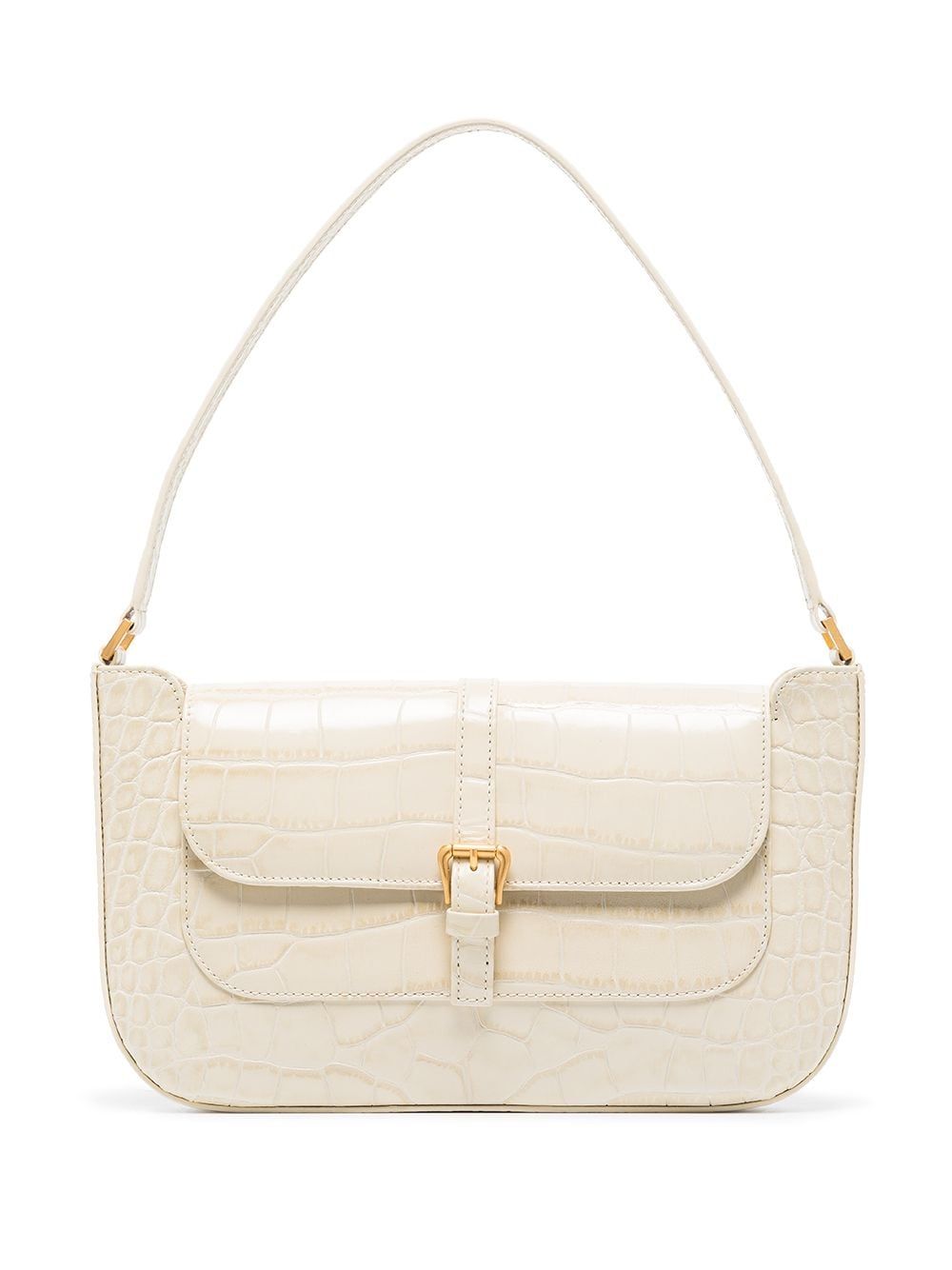
Quote: “A well‑made replica can cost you less than a decent dinner for two in Istanbul. That’s why many locals buy them for everyday use.” — Elif K., fashion blogger, 2022
- Legal Landscape – Am I Breaking the Law?
Before you pull out your wallet, replica designer laptop bags it’s worth knowing what Turkish law says:
Article 171 of the Turkish Penal Code criminalizes “trademark infringement”. Penalties range from a fine of up to 2 years’ imprisonment to seizure of goods. However, enforcement is typically focused on large‑scale producers and exporters, not on individual tourists buying a single bag for personal use.
Customs Regulations: louis vuitton twist bag replica If you bring a counterfeit bag into the EU, you risk the item being confiscated at the border. Some countries (e.g., the UK, Germany) treat possession of counterfeit goods as a civil offense, potentially resulting in fines.
Retail Liability: Turkish retailers who sell fakes knowingly can be prosecuted, but the market is fragmented; many stall owners claim they are “selling replica products”—a legal gray zone that the authorities are still trying to iron out.
Bottom line: Buying a fake for personal use is rarely prosecuted in Turkey, but exporting it or selling it as authentic can land you in hot water—both at home and abroad.
- My Top 5 Tips for a Safer Shopping Experience
Do Your Homework – Look up the exact model you want (photos, dimensions, hardware specs) before you go. A quick Google image search will save you from obvious low‑grade fakes.
Ask for a Receipt – Even if it says “replica”, a receipt provides proof of purchase and can help you return the bag if it falls apart within a week.
Test the Hardware – Gently tap the metal parts; genuine pieces produce a dull “thud”, while cheap alloys sound hollow.
Check Return Policies – Some reputable replica shops in outlet malls will accept a return within 48 hours if the bag shows defects.
Mind the Currency – Prices are often quoted in Turkish Lira (₺). Use a reliable conversion app to avoid surprise overcharges.
- Personal Story: The Day I Bought (and Returned) a “Prada” Backpack
I still remember the day I walked into a sleek outlet store near the Istanbul Airport. A gleaming Prada nylon backpack caught my eye. The saleswoman, fluent in English, assured me it was “high‑quality replica, 100 % waterproof, just like the original.” The price tag read ₺450 (~$25). I handed over cash, took the bag home, and, after a week of daily commutes, the zippers started snapping.
I returned to the store with the broken strap. The staff politely offered a partial refund and suggested I try a different brand. That experience taught me that not all “replicas” are created equal—and that it pays to test the bag before you leave the shop.
- Frequently Asked Questions (FAQ)
Q1. Are fake designer bags illegal to own in Turkey?
A: Possession for personal use isn’t actively prosecuted, but resale as genuine is illegal. Keep the bag for personal use only.
Q2. Can I bring a counterfeit bag back to the U.S. or EU?
A: Technically, yes, but customs agents can seize it. In the EU, you could face a civil fine for importing counterfeit goods.
Q3. How long do high‑grade fakes usually last?
A: If made with genuine‑grade PU leather and solid hardware, they can survive 1‑2 years of moderate use. Cheaper versions may fall apart within months.
Q4. Do Turkish sellers provide warranties?
A: Rarely. Most reputable replica shops offer a short “satisfaction guarantee” (usually 3‑7 days). Genuine luxury retailers, designer knockoff of course, provide multi‑year warranties.
Q5. Is there a way to verify a bag’s authenticity on the spot?
A: The best on‑the‑spot tests are the hardware weight and stitch consistency. For a deeper check, you’d need a brand‑specific verification service, which most counterfeit sellers won’t provide.

Q6. What’s the safest place to buy a replica?
A: Large, well‑known outlet malls (e.g., Viaport or Kemerburgaz) where shops have clear return policies and a semi‑professional environment.
Q7. Should I be concerned about “counterfeit tourism” harming the local economy?
A: It’s a complex issue. While counterfeit sales generate short‑term income for artisans, they also undermine legitimate luxury brands and can attract legal scrutiny that hurts the broader retail sector.
- The Ethical Angle – To Buy or Not to Buy?
I’ll be honest: luxury replica lv bags part of the thrill for me is the “designer look for less” feeling. Yet, as I learned from a conversation with Murat, a customs officer who works out of Istanbul Airport, there’s a bigger picture.
Quote: “Every fake bag that leaves Turkey is a lost opportunity for a legitimate job in the formal sector. It also fuels a black‑market chain that can finance other illicit activities.” — Murat Ç., Customs Officer, 2021
If you decide to purchase a replica, consider buying from a local artisan who makes the bag by hand, rather than a mass‑produced counterfeit operation. Some Turkish leather workshops now create “inspired‑by” pieces that avoid brand logos altogether—offering a stylish, ethical alternative.
- Final Thoughts – My Verdict
After months of wandering bazaars, chatting with vendors, and testing dozens of bags, I’ve concluded:
Quality varies wildly—from flimsy PU to near‑perfect copies.
Price is the main differentiator; expect to pay $40‑$150 for a decent zeal replica bags reviews of a major brand.
Legal risk is low for personal possession in Turkey, but high if you plan to export or sell.
Ethical considerations matter—supporting transparent, small‑scale artisans can give you a unique piece without supporting large counterfeit rings.
If you’re a fashion‑forward traveler who loves the thrill of the hunt and understands the trade‑offs, Turkish replica bags can be a fun, affordable way to enjoy luxury aesthetics. Just remember my checklist, respect local laws, and, most importantly, treat the bag as a fashion accessory, not an investment.
Happy hunting, and may your next bag—real or replica—turn heads wherever your travels take you!