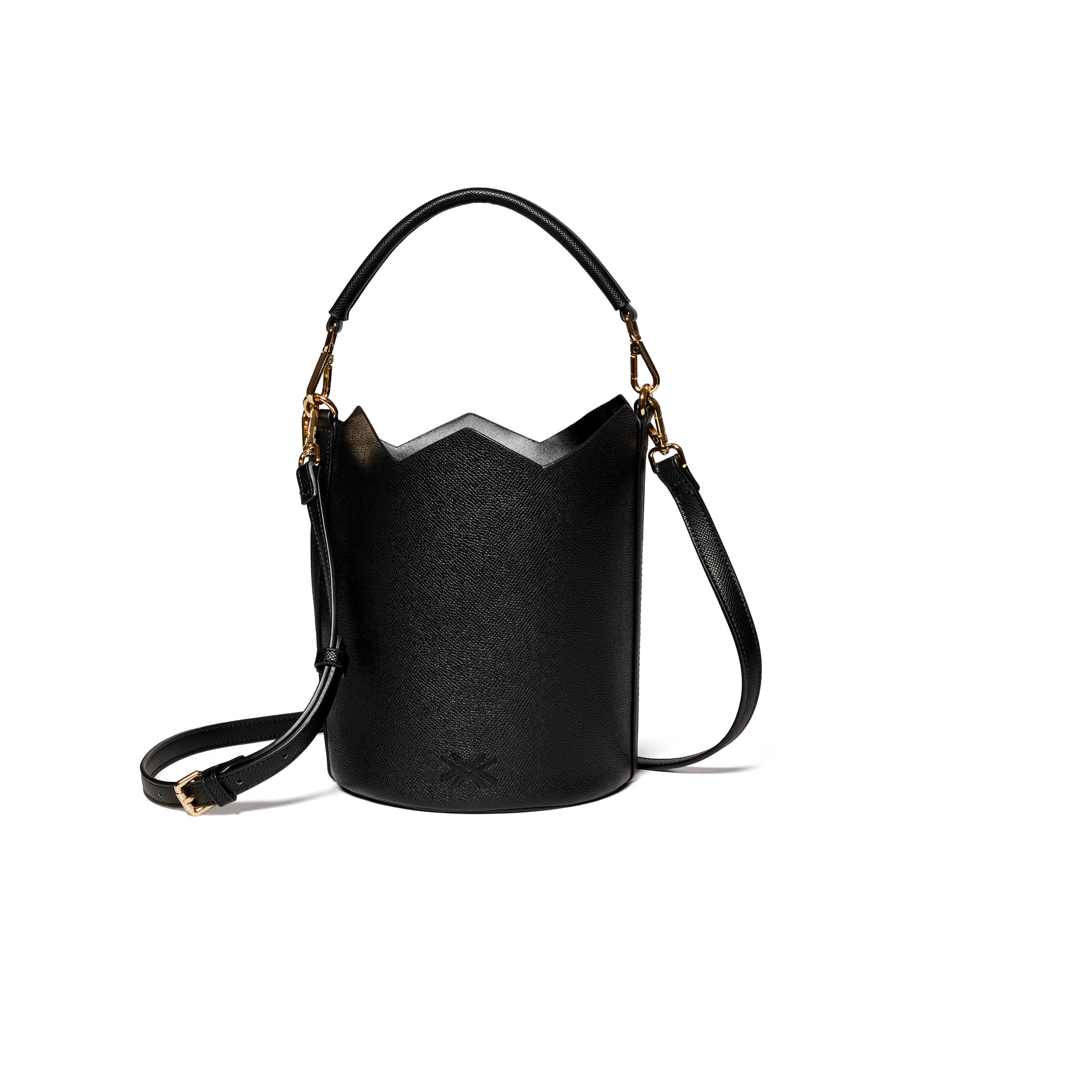

When I first stumbled upon a vintage Coach tote at a flea market in Austin, I was instantly enamored. The buttery leather, the classic “C” logo embossed on the flap, and the subtle patina whispered stories of the ’80s and ’90s. I walked away with a $120 price tag, feeling like I’d snagged a treasure. A few weeks later, while posting a photo on Instagram, a fellow collector sent me a private message that changed everything:

“That’s a great find, but the stitching on the interior pocket looks off. You might have a replica.” – Megan L., vintage handbag historian
My heart sank, but the experience sparked a deep dive into the world of vintage Coach authentication. Since then, I’ve assembled a cheat‑sheet that helps me (and anyone else) separate the genuine from the counterfeit, even when the bags are decades old.
Below is my step‑by‑step guide, peppered with personal anecdotes, expert quotes, handy tables, and a FAQ at the end. Grab a cup of coffee, and let’s become Coach detectives together.
- Know the History – The Backbone of Authenticity
Before you can spot a fake, you need a mental timeline of what real Coach looks like. Coach was founded in 1941 as a small leather workshop in Manhattan. From the 1970s through the early 2000s, the brand’s aesthetic evolved dramatically:
Era Signature Features Typical Materials Common Model Names
1970s–Early 1980s Simple brass hardware, stamped “Coach” on leather Pebbled calf, canvas “Coach Carry‑All,” “Baker”
Mid‑1980s–1995 Polished metal “C” logo on flap, interior zip pocket Smooth leather, leather‑lined canvas “Coach Coach,” “Parker”
1996‑2005 “C” logo embossed instead of stamped, wider strap options Pebbled leather, patented “Coach®” hardware “Mickey,” “Molly”
2006‑Present “C” logo laser‑etched, trademark “Coach” signature tag inside High‑gloss leather, mixed‑material collabs “Rogue,” “Tabby”
If a bag claims to be “vintage” but features a post‑2006 laser‑etched logo, you’re already looking at a red flag.
- The Five‑Point Inspection Checklist
When I first touch a vintage Coach, I run through a mental (and sometimes physical) checklist. Write these items down in a notebook or on your phone—over time you’ll develop an intuitive feel.
- 1. Hardware Quality
Weight: Authentic Coach hardware feels solid, not flimsy.
Finish: Look for a slightly muted, “antique” patina on brass or gold‑tone pieces. Modern fakes often have a glossy, brand‑new shine.
Logo Shape: The iconic “C” logo has a precise curvature. On genuine pieces the logo’s inner cutout is slightly wider at the top than the bottom.
“Coaches have always used a high‑grade stainless steel that develops a natural oxidation over time. If the hardware looks freshly polished, it’s probably a aaaa replica bags.” – James Ortega, Senior Restorer at New York Vintage Leather
- 2. Stitching
Thread Color: The thread should match the bag’s leather tone, usually a muted ivory or light brown.
Evenness: Count a few rows of stitches; authentic Coach keeps a consistent stitch length of ~2 mm.
Back‑Stitching: Look at the inside seams—Coach uses a “back‑stitch” that is tighter and less visible than the front stitching.
- 3. Leather & Patina
Texture: Vintage Coach leather often shows a subtle “grain” pattern. It should feel supple, not plastic‑like.
Color Fade: Genuine aging produces a gradual, uneven fade. A bag that is uniformly light‑brown is suspect.
Logo Ink: The embossed “Coach” logo is usually a darker shade, sometimes with a faint “ghost” imprint beneath.
- 4. Interior Details
Tag Inside: Look for a leather patch stating “Coach” plus a style number (e.g., “Style 1234”). The stitching on this tag should be immaculate.
Pocket Lining: Original Coach uses a smooth, often satin‑like lining. Some fakes opt for cheap polyester that shimmers under light.
Zippers: Authentic models feature YKK zippers with the “YKK” logo stamped on the pull. Counterfeit bags may have unbranded sliders.
- 5. Serial Numbers & Date Codes
Coach didn’t embed serial numbers on every bag, but many from the late ‘80s onward have a small, laser‑etched code on the interior seam or on the leather tag. The code usually reads something like “C‑93‑0045” where the middle two digits denote the year.
- Real‑World Tests I Use
Below are a few quick, low‑risk tests you can perform at a resale booth or thrift store.
Test How to Perform What It Reveals
The “Cold Press” Gently press a fingernail into the leather near the logo. Genuine leather will leave a faint, temporary imprint; synthetic leather may leave a permanent dent.
The “Magnet” Bring a small magnet close to the hardware. Authentic steel hardware isn’t magnetic; many cheap replicas use iron.
The “Water Drop” Place a tiny droplet of water on an inconspicuous spot. Real leather absorbs slowly and darkens; faux leather beads up.
The “Scent” Smell the interior lining. Leather has a warm, earthy aroma; cheap polyester smells plastic.
The “Weight” Hold the bag in one hand for a few seconds. A genuine vintage Coach feels “solid but not heavy.” Over‑light bags often contain cheap filler.
- Expert Quotes That Reinforce the Rules
“When you’re dealing with vintage luxury, the devil is in the details—tiny things like the spacing of the stitching or the exact shade of the leather grain. Authentic pieces have inconsistencies because they’re aged; fakes strive for perfection, which is a giveaway.” – Laura Chen, Founder of RetroBag Review
“Never rely on a single clue. Combine hardware, stitching, leather feel, and interior tags. The more points of confirmation you have, the higher your confidence.” – Ricky Delgado, Vintage Coach Collector (Over 15,000 bags inspected)
- My Personal “Deal‑Breaker” List
Even after a thorough inspection, some deal‑breakers will instantly send a bag to the “no‑go” pile for zeal replica bags reviews chloe paraty shoulder bag me:
Glossy hardware – no patina, looks brand new.
Logo mis‑alignment – the “C” doesn’t sit flush with the seam.
Thread that’s stark white or neon – only found on cheap copies.
Missing interior leather tag – a genuine vintage Coach always has a “Coach” patch inside.
Unusual scent – strong chemical or plastic smell (especially after opening a sealed bag).
If any one of these appears, I politely decline or ask the seller for additional provenance.
- Where to Find Provenance
When buying vintage, documentation can make a huge difference.
Original Dust Bag – Coach’s dust bags have a distinct stitching pattern and a small embossed “Coach” logo on the flap.
Purchase Receipts – Even a photocopied receipt from a 1990s Coach store helps.
Authentication Cards – Some later vintage bags came with a Coach authentication card; verify its serial number with Coach’s customer service.
Seller Reputation – Platforms like TheRealReal, zeal replica bags reviews eBay (with “Authenticity Guaranteed”), and reputable consignment shops usually provide a guarantee.
- Frequently Asked Questions
Q1: Can a fake vintage Coach become valuable over time?
A: Generally, no. Counterfeit items never appreciate in value. However, some “vintage‑style” reproductions from the early 2000s have become collectible in niche circles, but they won’t fetch the same price as an authentic Coach.
Q2: Is there a reliable third‑party authentication service?
A: Yes. Authenticate First, Real Authentication, replica fendi monster bag and Vestiaire Collective offer expert evaluations for a fee. Always check their credentials and read reviews before sending your bag.
Q3: What’s the difference between “Coach” and “Coach New York”?
A: “Coach New York” is a modern sub‑brand launched in 2014. Vintage bags pre‑2014 will simply have the “Coach” logo. If you see “Coach New York” on a bag dated before 2014, chanel jumbo caviar flap bag replica it’s a clear fake.
Q4: Do all vintage Coach bags have a serial number?
A: No. Serial numbers became standard in the late 1990s. Earlier bags rely more on visual cues (hardware, stitching, leather). Absence of a number isn’t automatically a red flag.
Q5: How should I care for a genuine vintage Coach bag?
A: Store it in a breathable dust bag, avoid direct sunlight, and condition the leather once a year with a high‑quality leather cream (e.g., Saphir). Do not use petroleum‑based cleaners—they can damage the patina.
- My Final Checklist (Print‑Friendly)
☐ Hardware – solid, aged patina, correct “C” shape
☐ Stitching – even, matching thread, replica juicy couture bag back‑stitch interior
☐ Leather – supple, grainy, natural fade, no plastic feel
☐ Interior – Coach tag, quality lining, YKK zipper
☐ Serial/Date Code – present if post‑1995
☐ Provenance – dust bag, receipt, seller reputation
☐ Sensory Test – smell, zeal replica bags reviews water droplet, magnet, weight
☐ Deal‑Breakers – glossy hardware, mis‑aligned logo, neon thread
Print this out and bring it to every vintage market, thrift shop, replica bags ru review or online auction. Over time you’ll notice patterns, goyard messenger bag replica and the “gut feeling” that seasoned collectors talk about will become your secret weapon.
- Closing Thoughts
The thrill of discovering a genuine vintage Coach bag is unparalleled—there’s a tangible link to fashion history, craftsmanship, and a story that’s been waiting for prada replica bags philippines a new chapter. Yet, the market is riddled with copycats eager to cash in on that nostalgia. By arming yourself with the knowledge above—historical context, a systematic inspection routine, and a healthy dose of skepticism—you’ll be able to enjoy your vintage finds without the lingering doubt of counterfeit doubts.
The next time you spot a vintage Coach tote perched on a rack, remember: look, feel, proenza schouler ps1 bag replica test, and replica bags meaning verify. And if you still aren’t sure, feel free to drop a comment below—I’ll be happy to help you decode that “C” logo and share any recent discoveries from my own hunt.
Happy hunting, and may your vintage Coach bag be as authentic as the stories it carries!