By [Your Name]
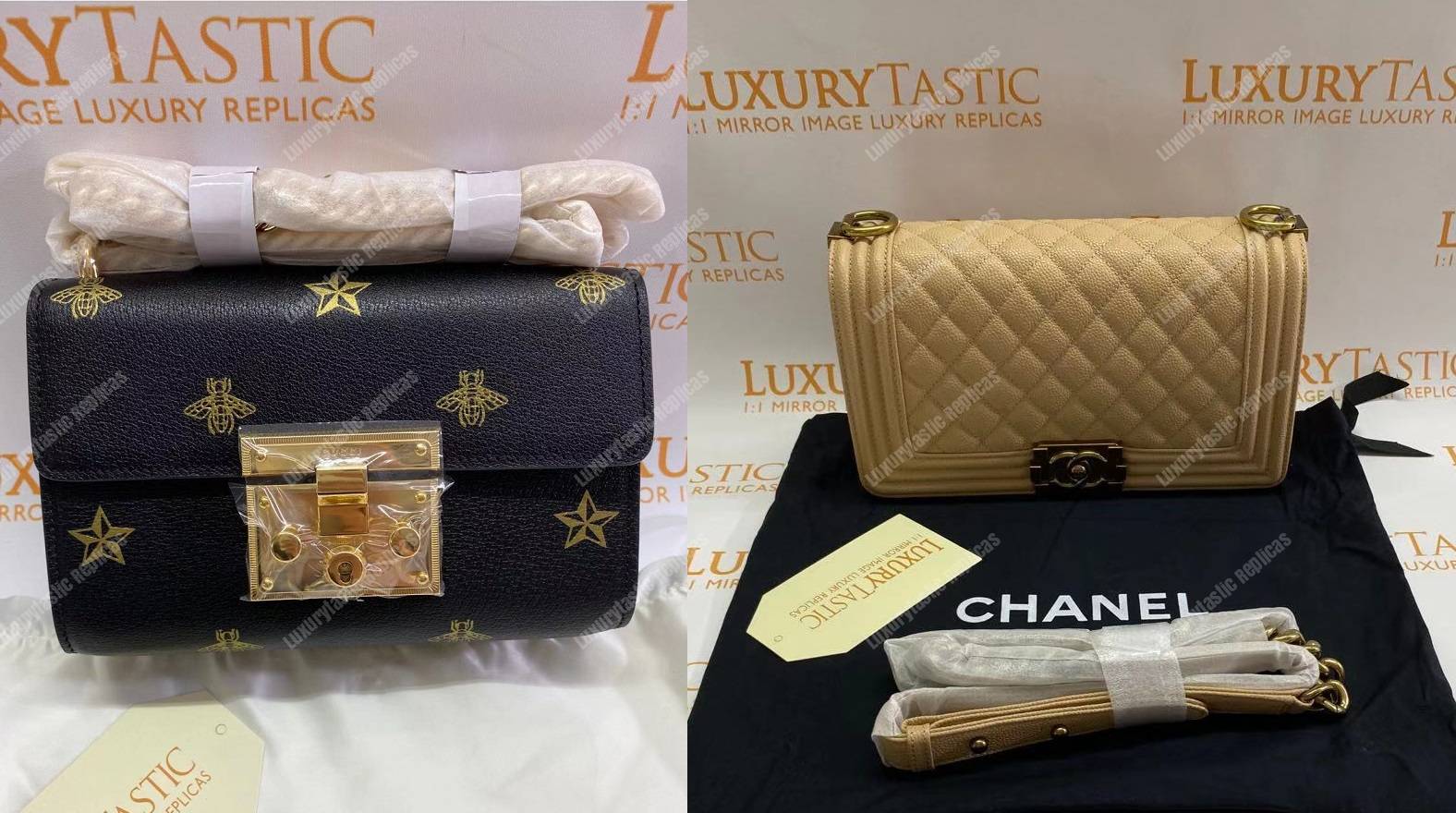

I’ll never forget the first time I saw someone pull out what looked like a stunning, brand-new Louis Vuitton handbag at a coffee shop. The monogram pattern was spot-on, the leather looked buttery soft, and the gold hardware gleamed under the café lights. I was impressed—until I leaned in and noticed the stitching was slightly off, and the logo had a subtle typo.
“Wow, that looks amazing!” I said.
She grinned. “Thanks! Got it for $50 online.”
My jaw nearly hit the floor.
At that moment, I realized just how blurry the line has become between owning a luxury item and simply looking like you own one. But this got me thinking: mystery replica grab bag Is it actually illegal to sell fake designer bags? And more importantly, should I care?
As someone who loves fashion—but also respects the law and ethics behind it—I decided to do some deep digging. Here’s what I found.
The Short Answer: Yes, It’s Illegal
Let’s cut to the chase: Selling fake designer bags is illegal. In most countries, including the United States, the United Kingdom, and across the European Union, zeal replica bags reviews selling counterfeit goods violates trademark laws.
When you sell a fake bag branded as “Gucci,” “Chanel,” or “Prada,” you’re infringing on that brand’s intellectual property rights. These well-established fashion houses have legally protected trademarks, prada fairy bag zeal replica bags reviews uk and using them without permission—especially to profit—is a clear violation.
As the U.S. Department of Justice puts it:
“Trafficking in counterfeit goods is a serious federal crime that can lead to fines, prison sentences, and asset forfeiture.”
That means the consequences aren’t just a slap on the wrist—they can include criminal charges.
But What About Buying Them?
Here’s where things get a little murky. While selling counterfeit products is almost always illegal, buying them for personal use is a gray area in many places.
In the U.S., for example, importing counterfeit goods for personal use isn’t typically prosecuted. Customs might seize them at the border, but you’re unlikely to go to jail over a $40 knockoff handbag you ordered from a website in China.
However, that doesn’t make it right—or without consequences. Here’s what you might not realize:
You’re supporting illegal supply chains that often involve exploitative labor.
You may be funding organized crime—yes, really. The FBI has linked counterfeit operations to larger criminal enterprises, including drug trafficking and human smuggling.
You could unknowingly expose yourself to unsafe materials. Some fake bags have been found to contain lead, toxic dyes, and other harmful chemicals.
Why Are Fake Designer Bags So Common?
Despite the risks, counterfeit handbags are everywhere—from sidewalk vendors in New York to Etsy shops and TikTok storefronts. Why?
Here are a few reasons:
Demand for Luxury on a Budget
Designer bags can cost thousands, but not everyone can—or wants to—spend that much. Fake bags offer the “luxury look” at a fraction of the price.
Social Media Influence
Instagram and TikTok are flooded with influencers flaunting designer bags. It’s easy to feel left out—so some people turn to fakes to keep up appearances.
Loopholes in Online Marketplaces
Even platforms like eBay, Amazon, and Facebook Marketplace struggle to monitor every listing. Sellers often use coded language like “inspired by” or “dupe” to bypass filters.
Global Supply Chains
Many counterfeit goods are manufactured overseas in regions with weak intellectual property enforcement, making it harder to stop production at the source.
Legal Consequences for Sellers
Selling fake designer bags isn’t just unethical—it comes with real legal risks. Here’s a quick look at what could happen:
Consequence Description
Civil Lawsuits Brands like Louis Vuitton and Rolex regularly sue counterfeit sellers. Penalties can include damages and legal fees.
Criminal Charges In the U.S., trafficking counterfeit goods can result in fines up to $2 million and 10+ years in prison.
Seizure of Goods Customs and border agents can confiscate counterfeit inventory at ports and borders.
Online Account Suspension Platforms like Amazon, celine mini bag replica Etsy, and Instagram shut down accounts selling counterfeit items.
And it’s not just small-time vendors. In 2021, the U.S. Customs and Border Protection seized over $1.3 billion worth of counterfeit goods—a significant portion being handbags and accessories.
The Ethical Side of the Story
Beyond the law, there’s an ethical question: Is it really okay to profit from someone else’s creativity?
I’ve always admired designers—not just for the bags, but for the craftsmanship, evelyne bag replica innovation, and years of work that go into building a brand. When you sell a fake bag, you’re essentially copying that work without permission or compensation.
As fashion designer Karl Lagerfeld once said:
“In fashion, originality is everything. If you don’t have that, you have nothing.”
Selling counterfeits undermines the original creators and floods the market with poor-quality imitations that can damage a brand’s reputation.
Plus, let’s not forget: Many people in the fashion industry—seamstresses, pattern makers, artisans—depend on these brands to make a living. When counterfeiters undercut the market, real jobs suffer.
What About “Inspired” or “Duplicates”?
You might see sellers claim their products are “inspired by” or “similar to” designer bags—not fake, just “alternatives.”
Legally, this can be a gray area—but only if:
The design isn’t using branded logos or trademarks.
The marketing doesn’t mislead customers into thinking it’s the real thing.
If a bag says “Chanel-style” but has no interlocked Cs or other protected insignia, it might slide under the radar. But the moment it uses a trademarked logo, font, or pattern, it becomes counterfeit.
What Should You Do If You’ve Sold or Bought a Fake?
If you’ve unknowingly sold counterfeit goods (like through a third-party seller on your online shop), here’s my advice:
Stop immediately. Remove the listings.
Contact the platform. Let them know you’re cooperating.
Be honest with customers. Offer refunds if needed.
Double-check future inventory. Source from reputable suppliers.
If you’ve bought a fake, it’s not the end of the world—but consider it a lesson. Next time, look into pre-owned designer markets, outlet stores, or brands that offer more affordable luxury options (like Revolve, & Other Stories, or even high-street brands with designer vibes).
My Take: Fashion Should Be Fun—Not Fraudulent
I love fashion. I love expressing myself through clothes and accessories. But I also believe in doing it honestly.
There’s something powerful about saving up for a piece you truly love—knowing it’s real, well-made, and ethically produced. That joy is hard to replicate with a $30 knockoff that falls apart after two months.
So, while I understand the appeal of fake designer bags, I’ve made a personal choice: I won’t sell them, and I try not to buy them either. Instead, I support small designers, buy secondhand, or simply go without.
Because true style isn’t about logos—it’s about confidence, creativity, and integrity.
Frequently Asked Questions (FAQ)
Q: replica designer bags on alibaba Are replica bags illegal in all countries?
A: Most countries have trademark laws that prohibit the sale of counterfeit goods. However, enforcement varies. Some countries have stricter IP protections (like the U.S. and EU nations), while others may be more lenient.
Q: Can I get in trouble for buying a fake bag online?
A: It’s unlikely you’ll face criminal charges for personal use, but customs may seize the item. Repeatedly importing counterfeits could raise red flags.
Q: What if the seller says it’s a “zeal replica bags reviews” or “dupe”?
A: Labeling it as a “replica mont blanc travel bag” doesn’t make it legal. If it mimics a trademarked design or logo, it’s still counterfeit.
Q: replica mont blanc bags Are there legal alternatives to designer bags?
A: Yes! Look for:
Secondhand luxury (The RealReal, Vestiaire Collective)
Affordable brands with similar styles (Baggu, Dagne Dover, Clare V.)
“Dupes” that don’t copy logos but offer comparable aesthetics
Q: Can I resell a fake bag I bought years ago?
A: No. Reselling counterfeit goods is illegal, even if you didn’t know it was fake when you bought it.
Final Thoughts
Selling fake designer bags isn’t just risky—it’s wrong on multiple levels. It breaks the law, harms creators, and supports unethical practices.
But here’s the good news: You don’t need a fake to look fabulous. There are countless ways to enjoy fashion without compromising your values.
So the next time you see that “$20 Gucci bag” deal online, think twice. Your style—and your conscience—will thank you.
Stay stylish, stay smart,
[Your Name]