The Replica Conundrum: Navigating the World of Brand Bag Replicas
By [Your Name]
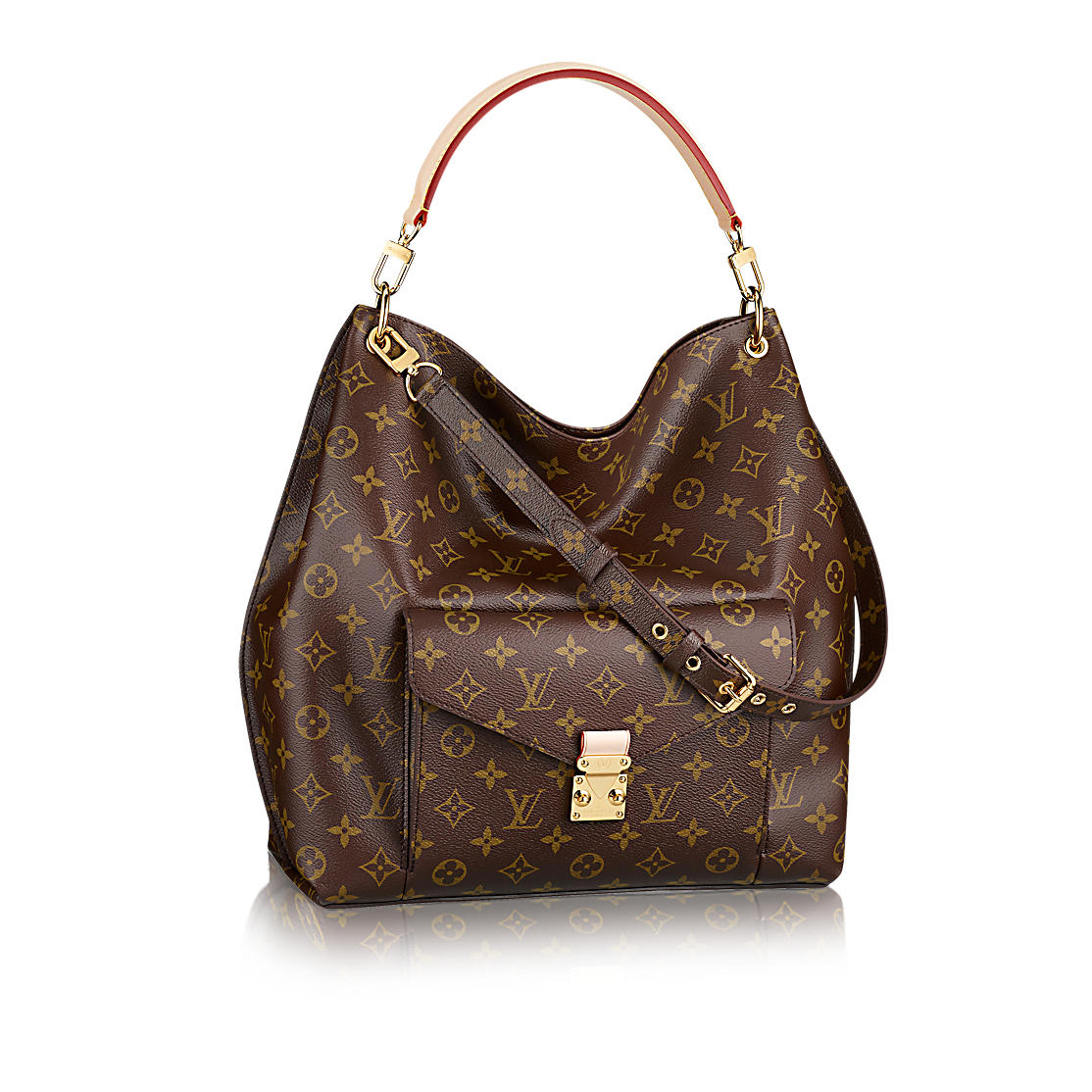
In the ever-evolving landscape of fashion, accessories serve as more than just functional items—they’re statements, symbols of status, and often, extensions of personal identity. Among these, designer handbags hold a particularly revered position. A Chanel flap, a Hermès Birkin, chanel duffle bag replica or a Louis Vuitton Neverfull are not merely bags; they’re heirlooms, investments, and cultural icons. But with prices soaring into the tens of thousands, many fashion enthusiasts face a dilemma: how to enjoy the luxury aesthetic without the luxury price tag. Enter brand bag replicas—a controversial yet undeniably popular alternative.
As someone who has spent years immersed in fashion trends, both ethically and aesthetically, I’ve grappled with this topic personally and professionally. My journey—from coveting a gucci clutch bag replica Marmont as a teenager to analyzing the ethics of replica consumption as an adult—has been both enlightening and complex. In this post, I’ll explore the world of replica brand bags: top replica bag websites their appeal, their ethical ambiguities, and how to navigate this space with awareness and givenchy messenger pandora bag replica integrity.
The Allure of Replica Bags: Fashion Equality or Moral Trade-Off?
zeal replica bags reviews bags, often referred to as “fakes” or “dupe bags,” are unauthorized copies of designer handbags. They mimic the look, material, and even the logo of luxury brands but are sold at a fraction of the original price—sometimes as low as 5% of the retail cost.
Why do they remain so popular?
Affordability: Not everyone can spend $3,000 on a Prada bag. Replicas offer style access to those on tighter budgets.
Quality Mimicry: High-end replicas, especially “1:1” or “AAA” quality, are now so refined that even fashion insiders struggle to distinguish them from authentic versions.
Fast Fashion Trends: With trends changing rapidly, replicas allow people to keep up without long-term financial commitment.
However, the popularity of replicas isn’t just about economics—it’s also about democratizing fashion. Luxury fashion has long been criticized for being exclusive, both in price and access. Replicas symbolize a backlash against this exclusivity.
As fashion editor Sarah Mower once said, “Fashion should be a celebration of individuality, not a hierarchy of wealth.” While this sentiment resonates, it also opens a Pandora’s box of ethical questions—especially when dealing with intellectual property and labor practices.
The Ethical Gray Zone
One of the biggest concerns around replica bags is their origin. Many high-quality replicas are produced in unregulated factories, raising serious concerns about labor rights, environmental sustainability, and fair wages. These manufacturing practices often mirror the exploitative conditions the luxury brands themselves are sometimes criticized for—only without oversight.
Moreover, trademark infringement is a real legal issue. When you buy a replica, you’re essentially supporting a system that profits from stolen design and branding. While it might be “just a bag” to some, it undermines the creative work of designers and the brand’s investment in craftsmanship, innovation, and marketing.
I once struggled with this myself. I purchased a near-perfect replica of a popular Celine bag online—lured by glowing customer reviews and a price under $200. It looked great in photos, fit all my essentials, and drew compliments. But when I later learned that the factory it came from had reported child labor issues, I couldn’t wear it without guilt. The bag was eventually donated, and I began researching ethical alternatives.
Replica Tiers: From “Okay” to “No Way”
Not all replicas are created equal. Understanding the differences can help consumers make more conscious choices.
Quality Tier Price Range Accuracy Ethical Concerns
Low (Marketplace Fakes) $20–$60 Low High (poor labor standards)
Mid (Online Replica Stores) $80–$150 Moderate Moderate (grey-market sellers)
High (“1:1” or AAA Quality) $150–$400 Very High Moderate to High (often involves IP theft)
Authorized Dupes (Inspired Designs) $100–$300 Design Inspiration Only Low to None
As the table shows, higher quality often correlates with higher ethical risks. “1:1” replicas, while impressive, are often the most legally and white birkin bag replica morally contentious because they intentionally deceive.
However, there’s a growing market for inspired designs—bags that take cues from luxury silhouettes but don’t replicate logos or registered trademarks. These authorized dupes offer a middle ground: accessible luxury without direct infringement.
The Legal Landscape: What You Should Know
Purchasing a replica bag for personal use is rarely prosecuted in most Western countries. However, importing replicas across borders can lead to confiscation or fines, especially if customs suspects intent to resell.
Countries vary in enforcement: the EU and U.S. have stricter anti-counterfeiting laws, while others turn a blind eye. Yet, even if you’re not breaking the law, you may be violating ethical norms—especially as awareness grows around sustainable and fair-trade fashion.
FAQs: luxury designer replica bags Your Top Questions About Replica Bags—Answered
Q: Is it illegal to buy a replica bag?
A: In most countries, purchasing a replica for personal use is not illegal. However, importing or selling replicas can result in legal penalties.
Q: Can you tell the difference between a real and replica bag?
A: With mid- to low-tier replicas, yes—stitching, hardware, and material quality are often inferior. But high-quality “1:1” replicas are designed to fool even experts, especially from a distance.
Q: Do replicas hurt the fashion industry?
A: Yes, they can. Counterfeiting costs the global fashion industry an estimated $30 billion annually, according to the OECD. It also undermines brand value and can fund illegal operations.
Q: Are there ethical alternatives to replica bags?
A: Absolutely. Consider pre-owned luxury bags (via platforms like Vestiaire Collective), zeal replica bags reviews vintage finds, or brands that offer quality, designer-inspired bags without infringing on trademarks.
My Personal Philosophy: Style with Integrity
After years of reflection, my stance has evolved. I believe fashion should be inclusive and joyful, but not at the expense of ethics. Today, I opt for second-hand luxury pieces, dupe luxury bags reputable dupe brands, and jessy replica bags occasionally splurge on timeless investment pieces I truly love.
I no longer buy replicas—not because I think others shouldn’t, but because I’ve found alternatives that align with my values. And the truth is, carrying a bag shouldn’t come with a side of guilt.
A Checklist for Ethical Luxury Access
If you’re considering alternatives to replicas, here’s how to maintain style with integrity:
✅ Buy pre-owned from authenticated resale platforms
✅ Support sustainable brands that offer luxury-inspired designs
✅ Rent special occasion bags via fashion rental services
✅ Invest in one high-quality piece per year instead of multiple cheap items
✅ Research brand ethics before purchasing anything
Final Thoughts
The world of replica brand bags is nuanced. While they offer access to luxury aesthetics at accessible prices, they also come with ethical, legal, and designers bags replica online environmental costs. As fashion consumers, we have more power—and responsibility—than ever before.
For replica baby diaper bags me, the goal isn’t to shame replica buyers but to encourage informed choices. Fashion should uplift, not exploit. Whether you choose a vintage Chanel from eBay, a modern dupe from an indie brand, or save for the real thing—do so with awareness.
Because in the end, your style is more than what you carry. It’s a reflection of your values.
Disclaimer: This blog post is intended for informational and educational purposes. It does not endorse or promote the purchase of counterfeit goods. Always consider the legal and ethical implications of your fashion choices.