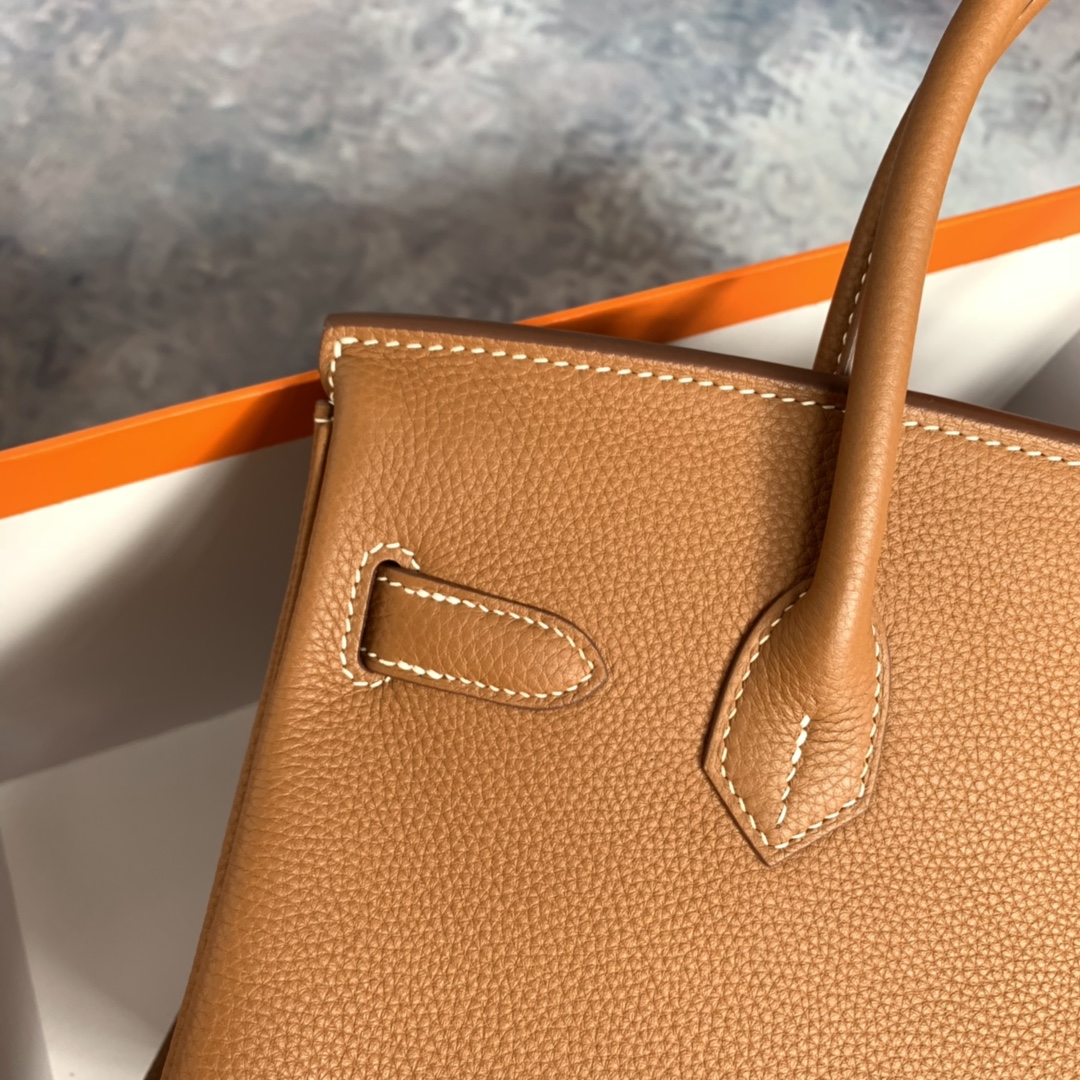
If you are a fan of luxury goods, you know that there is something undeniably special about the Louis Vuitton Monogram Reverse collection. With its bold, inverted color palette—rich chocolate browns taking the place of the classic gold, and deep caramels anchoring the pattern—it is a modern twist on a timeless classic.
However, because these small leather goods (the Rosalie, Clémence, and Emilie wallets) are so incredibly popular, they are also some of the most frequently counterfeited items on the resale market. I’ve spent years obsessing over LV craftsmanship, and I’ve seen my fair share of “superfakes.” Today, I want to walk you through how to protect your investment and replica bags ensure your wallet is the real deal.
Understanding the Models: A Quick Comparison
Before we dive into authentication, let’s clarify which model you’re looking at. While the Monogram Reverse canvas is the common thread, the construction differs by style:
Model Size Profile Key Hardware Feature Primary Use
Rosalie Compact Snap button Fits in mini bags
Clémence Slim/Long Leather-tabbed zipper Elegant, holds many cards
Emilie Envelope style Snap button (often colored) Classic chic, fake birkin flat design
As the saying goes, “The beauty of luxury is in the details, not the brand name.” When you are dealing with Louis Vuitton, those details are obsessive.
The Anatomy of an Authentic LV Wallet
When I’m inspecting a wallet, I don’t start with the price or the receipt; I start with the “feel.” Here is my personal checklist for spotting a fake.
- The Canvas Texture
Authentic Louis Vuitton Monogram Reverse canvas is not cheap plastic. It is a coated canvas—durable, replica bags slightly textured, and firm. If the material feels thin, overly glossy, hermes replica birkin bags or plasticky, run away. There should be a subtle depth to the print; the colors shouldn’t look like they were printed on a standard home office printer.
- The Stitching (The Gold Standard)
Louis Vuitton uses a specific wax-coated thread. The stitches should be perfectly diagonal, consistent in length, replica birkin bags and slightly angled.
The Red Flag: If you see any loose threads, glue residue, or stitches that are straight/vertical rather than slanted, replica bags you are likely holding a counterfeit.
- The Heat Stamp
This is where many fakers fail. On an authentic piece, the “Louis Vuitton Paris Made in…” stamp is heat-pressed into the leather (or lining). It should be crisp, clean, and perfectly centered.
Check the Font: The “O” is round (not oval), and the “T”s in Louis Vuitton are almost touching. On cheap fakes, the stamp often looks shallow, blurry, or like it was stamped with thick ink rather than heat-pressed.
- Hardware Quality
The hardware on a Monogram Reverse piece should have a specific weight to it. A fake zipper or snap will often feel like lightweight, hollow aluminum. On a Clémence wallet, the zipper should glide like butter—no snagging, no grinding.
Identifying the Differences: A Checklist for Buyers
If you are buying pre-loved, keep this list handy. It covers the most common areas where mistakes happen.
The Pattern Alignment: On an authentic wallet, the LV logo and flower pattern are usually symmetrical across the seams. If the pattern is cut off awkwardly or doesn’t line up across a fold, it’s a red flag.
The Zipper Pull: On the Clémence, the leather zipper pull is heat-embossed. Feel the edges—they should be smooth and coated in expert-level edge paint (the red “glazing”). If the glazing is messy or peeling, hermes replica birkin bags it’s a major warning sign.
The Snap Button: On the Rosalie and Emilie, the snap should be sturdy. It shouldn’t feel “loose” or catch when you press it. The engraving on the snap should be razor-sharp.
“Authenticity isn’t about being perfect; it’s about the intention of the craftsmanship. A fake wallet is trying to hide its lack of skill, while a real one celebrates it.”
Frequently Asked Questions (FAQ)
- Does every Louis Vuitton wallet have a date code? Yes, though in very recent models (post-2021), LV has transitioned to RFID microchips instead of date codes. If you are buying a recent piece, don’t panic if you can’t find a stamp; the chip will be detectable by professional authenticators.
- Can I trust a receipt from a private seller? Unfortunately, no. Fake receipts are becoming as common as fake Hermes Replica Bags. Always prioritize a third-party authentication service (like ProAuthenticators or Real Authentication) over a piece of paper that can be easily Photoshopped.
- Why does the glazing on my wallet feel sticky? If you bought it pre-loved, sticky glazing can sometimes happen due to age, humidity, or high-heat storage. However, if the wallet is “new” and the glazing is sticky, it is almost certainly a sign of cheap materials used in a counterfeit.
- Where is the leather patch usually located? In the Emilie wallet, you’ll usually find the “Louis Vuitton Paris Made in…” stamp on the inner flap or the credit card slot pocket.
My Final Advice
Buying luxury, whether it’s a Rosalie, Clémence, or Emilie, is an investment. It’s an investment in your personal style and your collection. Because of this, my golden rule is simple: Buy the seller, not just the bag.
If the price seems too good to be true, it is. If the seller is rushing you or refusing to send clear, high-resolution photos of the date code and the hardware, walk away. There are always other wallets out there. Taking the time to research and verify your purchase is part of the fun of being a collector.
Stay stylish, stay smart, and never settle for a fake!
Disclaimer: This guide is for educational purposes. Always consult with a professional authentication service before spending significant money on luxury goods to ensure your purchase is genuine.