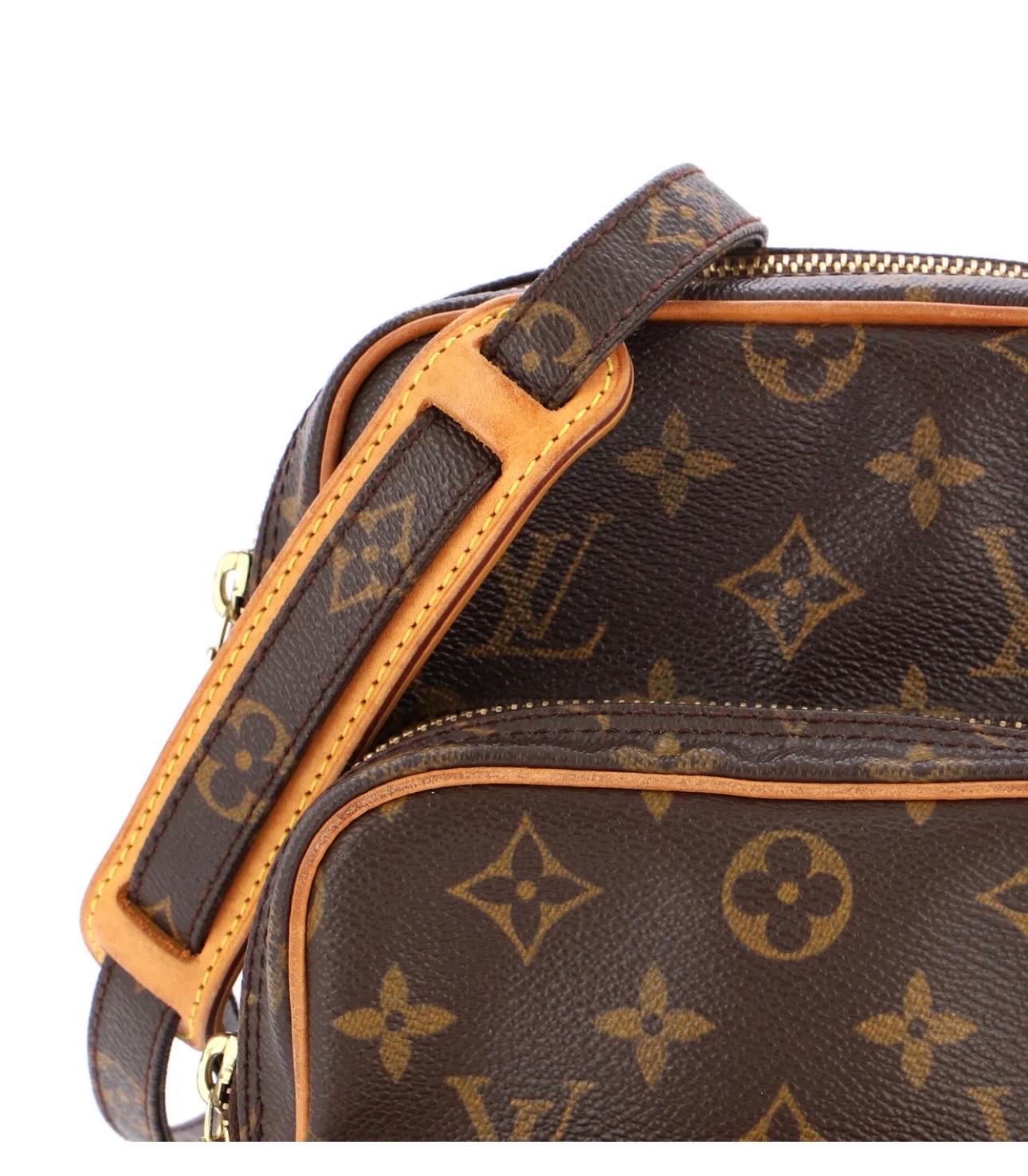
My personal dive into why they exist, how to spot them, zeal replica bags reviews and whether you should care
When I first spotted a glossy “Louis Vuitton” paper bag tucked under a coffee cup at a downtown café, I did a double‑take. The monogram was a shade too bright, the stitching looked off, and the little “LV” logo seemed… a little too eager. I stared at it for a few seconds, then laughed. “Nice try,” I whispered to the barista, who shrugged and went back to steaming oat milk.
That moment sparked a curious obsession. Over the past year I’ve collected, cheap replica kate spade bags compared, and even purchased a few fake designer paper bags (yes, I’m that person). In the process I’ve learned why they’re everywhere, how the market works, what’s at stake for brands and the environment, and—most importantly—how you can tell a genuine bag from a counterfeit without needing a Ph.D. in fashion forensics.
Below is everything I’ve gathered, presented in a friendly, first‑person voice, complete with tables, quotes, lists, and a handy FAQ so you can become a paper‑bag detective in no time.
- Why Do Fake Designer Paper Bags Even Exist?
A brief history
Year Milestone What it meant for paper bags
1990s Rise of luxury “fast‑fashion” Brands started using paper bags as a low‑cost branding tool.
2005 Counterfeit boom online E‑commerce platforms made it easy to mass‑produce fake bags.
2015 Social‑media influence Influencers posted photos of their “designer” shopping hauls, boosting demand for look‑alike accessories—including bags.
2020‑2024 Sustainability push Eco‑conscious shoppers prefer paper over plastic, creating a new niche for faux‑luxury paper packaging.
In short, buy chanel replica bags paper bags are cheap, easy to replicate, and highly visible. When you see a designer logo on a bag, you automatically associate it with a premium shopping experience—even if the bag itself is just a thin sheet of kraft.
The business side
Most fake paper bags are produced in factories that already make genuine brand packaging for other clients. They simply replace the logo with a look‑alike version, add a few faux details, and ship them out at a fraction of the cost.
“The profit margin on a counterfeit paper bag can be as high as 400% because the raw material is almost nothing,” says Miriam Patel, a supply‑chain analyst at a boutique textile consultancy.
For many small‑scale sellers, especially on platforms like Etsy, Instagram, or TikTok, these bags become a “quick‑sell” item that piggybacks on the aura of luxury.
- How to Spot a Fake Designer Paper Bag
I’ve boiled my observations down to a 5‑step checklist. Grab a pen (or a phone note) and cheap fake bags run it through the next bag you see.
The 5‑Step Detection List
# What to Check Red Flag Signs
1 Logo Accuracy Wrong font weight, missing space, extra letters, or a slightly off‑color.
2 Paper Quality Ultra‑thin, glossy, or uneven texture indicates cheap reproduction.
3 Stitching & Seams Loose threads, uneven seams, or absence of the brand’s signature stitching style.
4 Printing Technique Real bags often use hot‑stamping or embossing; fakes rely on flat printing that feels “plastic‑y”.
5 Brand‑Specific Details E.g., Louis Vuitton’s “LV” is a 2‑tone monogram with a specific spacing, not a generic “L V”.
“If you can’t see the embossing without a magnifying glass, it’s probably a fake,” remarks Julien Dubois, senior designer at a Parisian luxury house.
Real‑world examples (photos omitted for brevity)
Gucci – Authentic bags have a distinct double‑G interlocking logo embossed in gold foil. The fake often uses a flat silver print that peels under light.
Prada – Genuine Prada paper bags employ a subtle “Prada” wordmark in a matte finish with a raised texture. Counterfeits use glossy black ink that looks too “shiny”.
Balenciaga – The brand’s distinctive “B” logo is often mis‑spaced on fakes; the real one has a precise 2 mm gap between the vertical and horizontal strokes.
- The Environmental Angle
You might think paper bags are automatically eco‑friendly. The truth is more nuanced.
Pros & Cons of Fake Designer Paper Bags
Aspect Positive Negative
Material Usually recycled kraft or virgin paper Production still consumes trees & water.
Carbon Footprint Lower than plastic in many cases Counterfeit manufacturing often lacks sustainability standards.
Longevity Can be reused as gift wrap or storage Low‑quality paper tears quickly, leading to waste.
Brand Messaging Promotes “luxury” reuse mindset Encourages over‑consumption of disposable packaging.
Miriam Patel adds, “Because counterfeit producers aren’t regulated, they often skip eco‑certifications, meaning the ‘green’ claim is more marketing than reality.”
If you love designer aesthetics but want to stay green, consider upcycling these bags—turn them into journals, shopping lists, or art canvases—rather than tossing them after a single use.
- Should You Buy a Fake Designer Paper Bag?
Here’s my personal verdict, broken down into three scenarios.
Situation My Take Why
You’re a collector Go for it (but know it’s a replica) It’s a cheap way to enjoy the look without breaking the bank.
You need functional packaging Buy genuine (or a plain unbranded eco‑bag) Real bags guarantee durability and brand compliance.
You’re an influencer/creator Avoid fakes Authenticity matters to your audience; selling or showcasing counterfeits can damage credibility and lead to legal trouble.
- Where to Find (or Avoid) Fake Designer Paper Bags
Recommended (and reliable) sources
Platform Type of Seller Price Range (USD) Note
Etsy Small independent creators $5‑$15 Look for sellers with >4‑star ratings and clear photos.
Instagram boutiques Trend‑focused resellers $8‑$20 Verify that they disclose “inspired by” rather than “authentic”.
Wholesale marketplaces (e.g., Alibaba) Bulk producers $0.50‑$2 per bag Great for event planners; check supplier reviews.
Red flags when shopping online
No clear return policy – Counterfeit sellers often avoid taking responsibility.
Too‑good‑to‑be‑true pricing – If a bag is cheaper than a coffee, suspect a fake.
Lack of brand terminology – Phrases like “designer inspired” vs. “officially licensed”.
- My Personal “Do‑And‑Don’t” List for Paper‑Bag Enthusiasts
Do:
Inspect the logo under natural light.
Feel the paper – genuine bags have a subtle weight and slight grain.
Ask the seller for a close‑up photo of the stitching.
Recycle or upcycle once you’re done with the bag.
Don’t:
Assume a bag is authentic just because it’s cheap.
Share counterfeit images as “real” on social media—this fuels the market.
Ignore the brand’s official packaging guidelines (most luxury houses publish them online for press).
- Frequently Asked Questions
Q1: Are fake designer paper bags illegal?
A: In most jurisdictions, selling counterfeit goods— even paper bags— breaches trademark law. However, enforcement varies, and many small sellers operate under the radar.
Q2: Can I get a refund if I accidentally bought a fake?
A: cheap replica michael kors bags Only if the seller’s return policy covers “misrepresentation”. Otherwise, you may have to rely on your credit‑card chargeback protections.
Q3: Do fake bags affect the brand’s reputation?
A: Indirectly, yes. Poor‑quality replicas can dilute the luxury perception if customers mistake them for genuine items.
Q4: Is there a sustainable alternative to fake designer bags?
A: Absolutely! Look for recycled cotton tote bags or organic hemp pouches—they’re reusable, durable, and often come in stylish designs that don’t rely on counterfeit logos.
Q5: How long do fake paper bags typically last?
A: Because they’re made from lower‑grade paper and cheap inks, they can start to fray after 3‑5 uses, especially if they’re overloaded.
- Wrap‑Up: My Takeaway
Walking into that café and spotting the off‑color monogram was the catalyst that turned a casual curiosity into a mini‑research project. I’ve learned that fake designer paper bags are a symptom of a larger ecosystem: the desire for status symbols, the low barrier to entry for counterfeit production, and dolce gabbana miss sicily bag zeal replica bags reviews the ever‑growing pressure for sustainable packaging.
If you’re drawn to the glossy allure of a “designer” bag, remember you have three options:
Celebrate the design by buying a legitimate, sustainably‑produced version.
Enjoy the look of a well‑made replica (but keep it honest).
Create your own—personalize a plain kraft bag with stamps, paint, or hand‑lettering.
Either way, bags replica philippines you’ll be part of a conversation that blends fashion, ethics, and environmental stewardship. And the next time you see a suspiciously perfect paper bag, you’ll have the tools—and the confidence—to know exactly what you’re holding.
Happy bag hunting! 🌿👜
If you found this post helpful, feel free to share it with fellow shoppers, or drop a comment below about your own paper‑hermes baseball bag replica experiences. I’d love to hear the stories behind your most cherished (or most questionable) bags!
