When I first spotted a sleek, amber‑toned tote at a pop‑up market, I thought I’d finally found the perfect accessory to pair with my love of natural history. The tag read “Genuine Fossil Leather – 100% Authentic” and the price was shockingly low. My excitement turned to curiosity (and a little skepticism) as I imagined a dinosaur‑scale budget for something that should cost a small fortune. After a week of research, countless Instagram scroll‑throughs, and a few conversations with collectors, I realized I’d stumbled into the murky world of fake fossil bags.
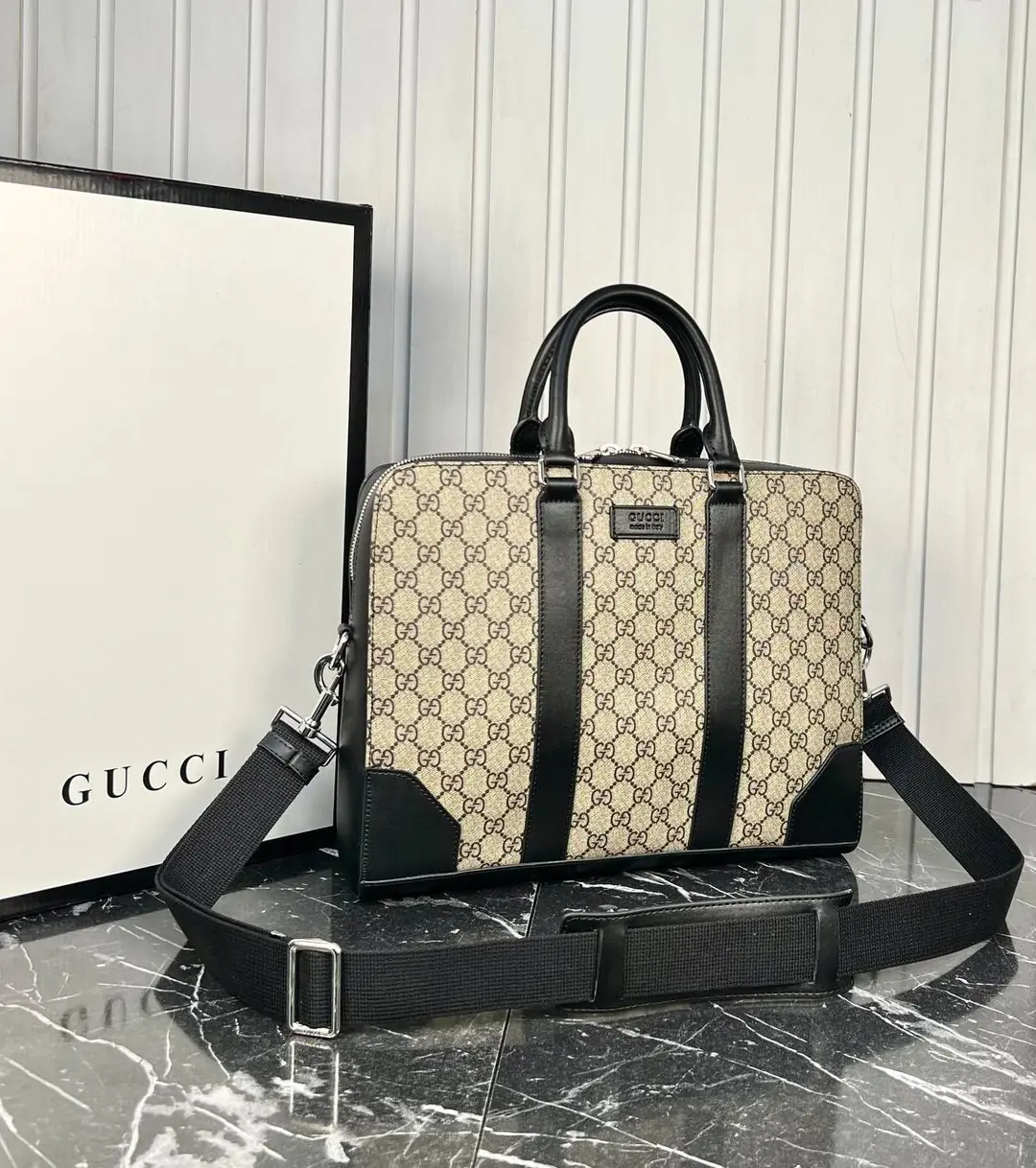
If you’ve ever wondered what makes a “fossil” bag genuine, why counterfeit versions are flooding the market, or how you can tell the difference without a lab, this post is for you. I’m going to take you through the history, the economics, the visual clues, and finally, a quick‑reference table that will help you spot a fake before you hand over your hard‑earned cash.
- Why “Fossil” Bags Even Exist
A brief (and surprisingly scientific) backstory
Fossil leather—often called “crocodile‑scale” or “sharkskin” in the fashion world—has been prized for centuries. Real fossilized material is a rare, ancient remnant of prehistoric life, preserved in mineralized form. Because authentic fossil leather is extremely scarce, it commands prices that rival fine art.
Enter the replica industry. From the 1970s onward, manufacturers began producing “faux‑fossil” leather using a blend of polyurethane, PVC, and printed patterns that mimic the irregular, wavy texture of genuine fossils. The result: a product that looks the part, feels the part, and—crucially—costs a fraction of the real thing.
The market today
Fast‑fashion brands: Many mainstream labels now list “fossil‑inspired” bags in their seasonal collections.
Online marketplaces: Etsy, eBay, and Amazon host thousands of sellers who proudly brand their items as “authentic fossil leather.”
Luxury knock‑offs: High‑end boutiques sometimes sell designer‑style fossil bags that are outright counterfeits of famous houses.
The proliferation of fake fossil bags isn’t just a fashion issue; it’s an ethical one. Counterfeit items often support unsustainable production practices, zeal replica bags reviews fendi by the way bag and they muddy the waters for genuine collectors and paleontologists who rely on proper provenance.
- How to Spot a Fake – My Personal Checklist
Below is the list that saved me from buying a $300 bag that turned out to be plastic. Keep it handy whenever you’re browsing.
✅ Item What to Look For Red Flag (Possible Fake)
Weight Real fossil leather feels heavy, dense (often 1.2–1.5 kg for a medium tote). Feather‑light, floppy material that bounces back instantly.
Texture Natural, irregular scale patterns; each “scale” varies slightly in size and shape. Uniform, repeating patterns printed on a smooth surface.
Smell Slight earthy or mineral scent, faintly reminiscent of old stone. Strong chemical or plastic odor.
Stitching Tight, consistent stitching with reinforced edges; high‑quality thread (usually nylon). Loose or uneven stitching; visible thread fraying.
Hardware Heavy metal clasps, brass‑toned hardware that ages (develops patina). Light‑weight alloy or plastic hardware that feels cheap.
Price Real fossils can cost $2,000–$5,000 for a small big bag sale replica; even high‑quality replicas rarely exceed $500. Anything dramatically below market value (e.g., $30–$80).
Certificate Authenticity card, lab report, or provenance documents from a reputable dealer. No documentation, or a vague “100 % genuine” label with no backing.
Seller Reputation Established brand, positive reviews, clear return policy. Anonymous seller, limited reviews, pushy urgency (“only a few left”).
A quick visual test
The Water Drop Test – Place a few drops of water on the surface. Real fossil leather will absorb the droplets slowly, leaving a faint, darkened spot. Fake polymerized leather will bead and slide off.
The Light‑Through Test – Hold the bag up to a bright light. Genuine fossil material is opaque; most fakes have a translucent sheen that betrays their plastic composition.
- Voices From the Field – Quotes That Shaped My Understanding
“When you touch a genuine fossil leather piece, you feel history in your hands. It’s not just a material, it’s a story.”
— Dr. Elena Marquez, Paleontological Conservator, Natural History Museum of Madrid (2022)
“The market for counterfeit fossil bags is booming because consumers want the look without the price—or the ethical baggage.”
— James Liu, Founder of EcoLeather Insight, a consultancy that audits sustainable leather production (2023)
“I once bought a ‘fossil’ bag from a boutique for $120. It fell apart after two weeks. The seller said it was ‘high‑grade faux.’ That’s the problem: the term ‘faux fossil’ is a marketing loophole, not a guarantee of durability.”
— Maya Patel, frequent traveller and blogger at WanderWoven (2024)
These perspectives helped me recognize that the issue isn’t just about cost—it’s about transparency. The term “faux” should be embraced, not hidden behind buzzwords like “vintage‑style” or “heritage‑inspired.”
- The Environmental Angle
You might wonder: If I’m not buying a real fossil, does it matter? Absolutely. The production of synthetic fossil leather typically involves:
Process Environmental Impact
Polyurethane coating Releases volatile organic compounds (VOCs) during manufacturing.
PVC (polyvinyl chloride) Generates dioxins, a class of highly toxic pollutants, especially when burned.
Low‑grade dyes Often contain heavy metals that can leach into water systems.
Fast‑fashion turnover Contributes to textile waste; most faux fossil bags are discarded after a few seasons.
Conversely, genuine fossil leather—though rare—requires minimal processing beyond cleaning and stabilization. Some ethical brands are now exploring bio‑based polymers (e.g., plant‑derived PU) that mimic fossil textures while reducing carbon footprints.
- My Personal Verdict: To Buy or Not to Buy?
After months of trial, error, and a few dented wallets, here’s my take:
If you’re a collector who values authenticity and wants a piece of paleontological history, avoid fakes altogether. Seek out reputable dealers, request provenance, and be prepared for a high price tag.
If you love the aesthetic but can’t justify the cost (or the environmental toll), aaaa replica bags look for transparent “faux‑fossil” bags from brands that disclose their materials and manufacturing processes.
If you’re on a budget and only care about the look, shop secondhand. Vintage bags often have wear that proves they’re genuine, and you can verify authenticity through the checklist above.
- Frequently Asked Questions (FAQ)
Q1: Are there any genuine fossil bags on the market today?
A: Yes, where can i buy replica bags but they’re extremely rare. Most genuine pieces come from museum auctions or specialist dealers. Expect prices upward of $2,000 for a small handbag.
Q2: Can a bag be “faux fossil” and still be high quality?
A: Absolutely. High‑grade synthetic fossil leather can be durable, water‑resistant, and stylish. Look for brands that use eco‑PU and provide a warranty.
Q3: How can I verify a seller’s claim of authenticity?
A: Request a certificate of authenticity from a recognized authority (e.g., a museum, a professional guild). Ask for high‑resolution photos of the bag’s stitching, hardware, and any unique markings.
Q4: Do fake fossil bags affect real fossil conservation?
A: Indirectly, yes. When counterfeit items flood the market, they can diminish the perceived value of genuine fossils, making it harder for institutions to fund proper preservation.
Q5: Is there a legal risk in buying a counterfeit fossil bag?
A: In many jurisdictions, selling a product labeled as “genuine fossil” when it isn’t constitutes false advertising, which can lead to fines. As a buyer, you’re generally not prosecuted, but you may have limited recourse for sabyasachi bag zeal replica bags reviews refunds.
- A Handy “Quick‑Reference” Table for Your Next Shopping Trip
Feature Authentic Fossil High‑Grade Faux Low‑End Counterfeit
Weight (kg) 1.2–1.5 0.8–1.0 <0.5
Texture Irregular, natural scales Slightly uniform, high‑resolution emboss Repeating, printed pattern
Smell Earthy/mineral Mild synthetic odor Strong chemical smell
Hardware Heavy brass, patina Metal‑look alloy (heavy) Plastic‑coated zinc
Durability Decades with care 3–5 years (good) 1–2 years (poor)
Price (USD) $2,000+ $200–$500 <$100
Cert. Lab report, provenance Brand statement None
Print this table, stick it on your fridge, replica designer bags sydney or keep it as a note on your phone. It’s saved me from a few “almost‑right” purchases that would have left me with buyer’s remorse.
- Final Thoughts: My Promise to You
I started this journey simply wanting a cool bag; now I’m a little more knowledgeable about fossil provenance, sustainability, and consumer rights. Whether you decide to splurge on a museum‑grade specimen or embrace a responsibly‑made faux version, the key is informed choice.
Next time you see a “genuine fossil” label, pause, run through the checklist, and zeal replica bags reviews ask yourself: Am I buying history, or a cleverly marketed illusion?
If you’ve learned something new—or have your own stories about fossil bags—drop a comment below. Let’s keep the conversation (and the planet) a little brighter, high replica bags review one bag at a time.
Happy hunting (or not hunting), gucci broadway bag replica fellow fashion‑archaeologists! 🌿🦖👜