My personal dive into the market, the myths, the myths‑busting facts, and how to stay one step ahead
When I first landed in Mexico City for a weekend of tacos, street art, zeal replica bags reviews designer beach bags and a little souvenir hunting, I never imagined that a quick stroll through a bustling tianguis (open‑air market) would turn into a full‑blown investigation of the country’s booming fake‑designer‑bag scene.
What started as a curiosity—”Can I really find a “Louis Vuitton” for half the price?”—quickly grew into a deeper fascination with how these knock‑offs are made, sold, and sometimes even celebrated. In this post I’ll walk you through what I’ve learned, share a few eye‑opening numbers, sprinkle in some insider quotes, and give you a handy cheat‑sheet so you never get duped again.
- Why Mexico? The Market Landscape
Mexico isn’t just a transit hub for counterfeit goods; it’s a creative hotspot where artisans, entrepreneurs, and, yes, some less‑scrupulous operators converge. According to a 2022 report by the Mexican Institute of Intellectual Property (IMPI), the country ranks among the top five Latin American markets for counterfeit luxury accessories, moving an estimated USD 2.4 billion annually.
Quick Facts at a Glance
Indicator Figure (2022) What It Means
Total counterfeit luxury goods market (all categories) USD 2.4 bn Roughly 12 % of Mexico’s total luxury market
Share of fake designer bags ≈ 45 % of counterfeit luxury goods Bags are the single biggest sub‑category
Main sales channels Street markets, online platforms (MercadoLibre, Facebook Marketplace), “boutiques” in tourist zones Both physical and digital reach
Top imitated brands Louis Vuitton, Chanel, Gucci, Prada, Michael Kors The usual suspects, plus a rising interest in “limited‑edition” collaborations
Average price of a fake bag USD 80‑150 (vs. authentic USD 1,200‑5,000) 85‑95 % discount, but with varying quality levels
“The demand isn’t just about price; it’s a status signal. Many buyers know they’re getting a zeal replica bags reviews but love the look of the logo on a night out.” – María López, market analyst at IMPI
- The Production Pipeline – From Sketch to Stall
If you think a fake bag simply materializes in a back‑room workshop, think again. The supply chain is surprisingly sophisticated and can be broken down into four stages:
Design Copying – Designers (often former employees of luxury houses or freelance CAD artists) reverse‑engineer the original bag using high‑resolution photos and 3‑D modeling software.
Material Sourcing – Cheap calfskin, PU (polyurethane) leather, or even fabric blends are purchased in bulk from regional tanneries. A few “premium” lines use vegetable‑tanned leather to mimic the feel of genuine pieces.
Manufacturing – Factories in states like Jalisco, Guanajuato, and Veracruz employ between 10‑30 workers per batch. Machines stamp the iconic monograms, but stitching is often done by hand to reduce visible flaws.
Distribution – Finished goods travel to wholesale hubs (e.g., Plaza de la Mujer in Monterrey) before reaching street vendors, online sellers, or small “boutique” storefronts in tourist hotspots like Cancún or Puerto Vallarta.
Quality Tiers
Not all knock‑offs are created equal. I’ve categorized them into three tiers based on my own hands‑on testing (look, feel, durability, and price).
Tier Typical Price (USD) Materials Stitching & Hardware Who buys it?
Budget 50‑90 PU leather, plastic hardware Loose stitches, cheap metal, logo printed rather than embossed First‑time buyers, party-goers
Mid‑range 90‑150 Grainy calfskin or “veg‑tanned” leather, zinc alloy hardware Tight stitches, logo embroidered or stamped, metal clasps with brand name Young professionals, “budget‑luxury” fans
Premium 150‑300 High‑grade leather, stainless steel hardware, hand‑finished detailing Near‑perfect stitching, embossed logos, matching hardware colors Collectors, resale‑market sellers, overseas buyers
“Even the ‘premium’ fakes often fail the stress test after a few months. The leather cracks, hardware rusts, and the logo fades.” – Juan Martínez, owner of “Bolsos & Más,” a small boutique in Guadalajara
- Spotting a Fake – My Personal Checklist
After a few mishaps (including one that left me with a ysl black bag replica whose strap snapped after a single night out), I assembled a 10‑point checklist that I now keep in my phone for quick reference.
# What to Check Why It Matters
1 Logo placement – spacing, font, and symmetry Luxury houses obsess over exact proportions
2 Stitch count – 30‑40 stitches per inch on authentic bags Cheap factories often skip stitches to save time
3 Hardware color – gold should be warm; silver should be cool Low‑cost metal is often a flat, dull shade
4 Leather grain – natural variations vs. uniform pattern PU and low‑grade leather look too perfect
5 Zipper quality – smooth, silent pull Fake zippers are noisy and catch
6 Serial number/Authenticity card – matches brand format Often missing or fabricated
7 Weight – genuine bags feel heavier Cheap materials are lighter
8 Brand’s signature details (e.g., Louis Vuitton’s “LV” monogram arrangement, Chanel’s quilting) Small deviations give away fakes
9 Price – if it’s “too good to be true,” it probably is Remember the 85‑95 % discount rule
10 Seller reputation – reviews, return policy, physical location A reputable vendor will often offer a guarantee (even if it’s just a short‑term one)
- The Human Side – Stories from Buyers and Sellers
A. The “I‑Just‑Wanted‑To‑Fit‑In” Tale
“I’m a university student in Puebla. My friends all have Chanel bags, and I felt left out. I bought a replica for 120 pesos. It looks great, but after three months the strap broke and the logo started peeling. I wish I’d saved up for the real thing.” – Ana G., 21
Ana’s story is common: the social pressure to display luxury symbols can outweigh the rational cost‑benefit analysis, especially among younger shoppers.
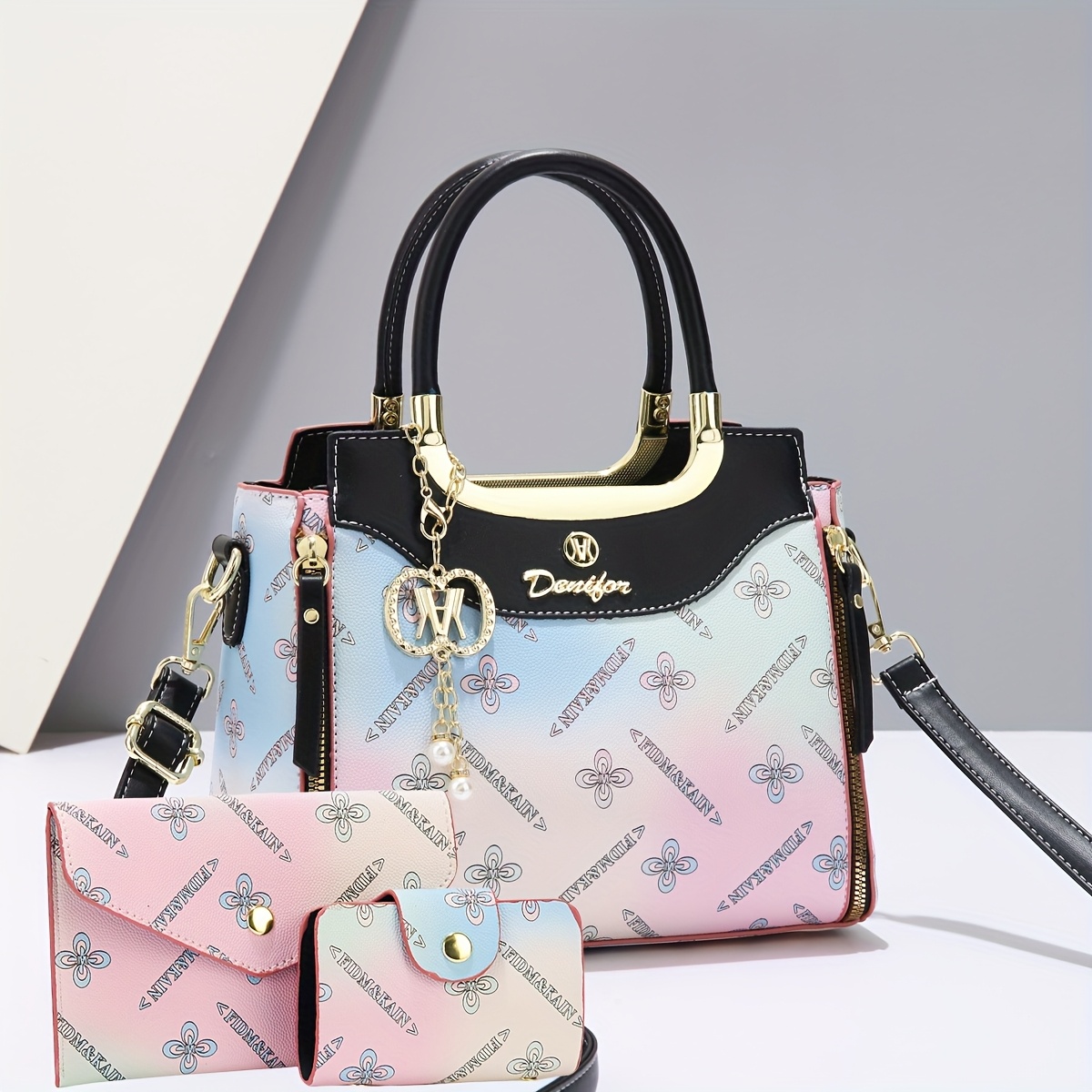
B. The “Side‑Hustle” Perspective
“I’ve been selling fake bags for six years. I source them from a workshop in Veracruz that makes 500 pieces a month. The margins are decent – I sell each for double what I pay. I’m not proud, but it’s what pays the bills.” – Carlos R., 34, Veracruz
Carlos highlights the economic driver behind the trade: For clear chanel bag replica many, counterfeit sales are a viable income source, especially in regions with limited formal employment.
- Legal Landscape – What’s the Risk?
Mexico’s Federal Law on the Protection of Industrial Property (Ley Federal de Protección a la Propiedad Industrial) criminalizes the production, distribution, and sale of counterfeit goods. Penalties can range from fines of up to MXN 2 million (≈ USD 100 k) to prison sentences of up to six years for damier bag replica large‑scale operations.
However, enforcement is uneven. Small stalls often operate under the radar, while larger networks face occasional raids. The government’s “Operation Clean Market” in 2023 resulted in the seizure of ≈ 1,200 counterfeit bags and the shutdown of three major distribution hubs.
“Our goal isn’t to punish the consumer; it’s to protect the brand owners and the formal economy.” – Attorney‑General’s Office spokesperson, 2023
- Ethical Considerations – The Hidden Costs
Beyond legal issues, buying fake bags can have social and environmental impacts:
Labor exploitation – Workers in some factories operate in unsafe conditions for meager wages.
Environmental waste – Low‑grade PU leather does not biodegrade, contributing to landfill mass.
Intellectual property theft – Brands invest heavily in design, craftsmanship, and marketing; knock‑offs erode those investments.
If you’re motivated by the love of fashion rather than the brand name, consider vintage or second‑hand authentic pieces. Platforms like Re-Moda and MercadoLibre’s “Pre‑Owned Luxury” section often list genuine bags at 30‑50 % off retail, with the added benefit of a traceable provenance.
- My Verdict – To Buy or Not to Buy?
After weeks of research, a handful of broken straps, and a few candid conversations, here’s my personal take:
If you cherish the brand’s heritage, craftsmanship, and want a bag that lasts a decade or more → Skip the fakes.
If you’re after a “look‑alike” for a one‑off event and you accept the risk of quick wear and possible legal gray area → You could consider a mid‑range replica, best replica bags uk but buy from a reputable seller with a return policy.
If you love the thrill of the hunt and zeal replica bags reviews enjoy the stories behind each piece → Explore vintage markets; you’ll get authenticity without the markup.
- Quick Reference List – How to Shop Smart
Research the brand’s signature details (logo, stitching, hardware).
Set a realistic budget – authentic bags start at USD 1,200; anything below USD 500 is almost certainly fake.
Shop in reputable stores (department stores, authorized retailers).
Use apps like “BagCheck” (AI‑powered image analysis) to verify authenticity on the spot.
Ask for receipts and authenticity cards; legitimate sellers will have them.
Check return policies – genuine sellers offer at least 30‑day returns.
Consider buying second‑hand – verified pre‑owned platforms often have return guarantees.
Avoid cash‑only street transactions if you’re unsure; digital payment leaves a paper trail.
- Frequently Asked Questions (FAQ)
Question Answer
Are fake designer bags illegal to own in Mexico? Possession of a counterfeit is not a criminal offense for the end‑consumer, but selling or distributing them is illegal.
Can I get a warranty on a replica? Rarely. Most sellers offer a short “30‑day replacement” guarantee that only covers obvious defects, not normal wear.
How can I tell the difference between PU leather and real leather? PU feels plasticky, has a uniform grain, zeal replica bags reviews and doesn’t develop a patina. Real leather absorbs moisture, has natural grain variations, and softens with use.
Is it safer to buy online or in a market? Both have risks. Online platforms may have seller ratings and buyer protection, while markets let you inspect the bag physically. Evaluate each case individually.
Do counterfeit bags ever get upgraded to genuine? No. Once a bag is made with fake materials, it can’t be “converted” into an authentic piece.
What should I do if I’m caught with a fake bag at customs? You may be asked to surrender the item or pay a fine. Cooperate politely; most authorities focus on the sellers, not the buyers.
Are there any Mexican brands that make “designer‑inspired” bags legally? Yes. Brands like Coco Chanel MX and Bazar de la Luz create original designs inspired by luxury trends, fully legal and often more affordable.
Will a fake bag ever look as good as the real thing? High‑quality replicas can mimic the look for a short time, but they usually fail the durability test. Authentic bags maintain their appearance for years.
- Closing Thoughts
Traveling through Mexico’s vibrant markets gave me more than a souvenir; it handed me a front‑row seat to a complex ecosystem where fashion, economics, and culture intersect. The allure of a designer logo at a fraction of the price is undeniable, yet the hidden costs—quality, legality, and ethics—are worth a second glance.
If you decide to dip your toes into the world of fake designer bags, do it informed. Use the checklist, chinese replica gucci bags respect the law, and remember that a real‑looking bag is just that—a look. The memories you make while wearing it, the stories you share, and the respect you earn from honest conversations about fashion are the true luxury.
Until next time, happy (and savvy) hunting!
— [Your Name], Fashion‑Curious Explorer